




We're new owners and friends are going to be our tenants. How can we preserve our friendship?
- Even if you’re friends you should have a lease or document expectations in writing
- Consider keeping future rent increases low and respond quickly when repairs are needed

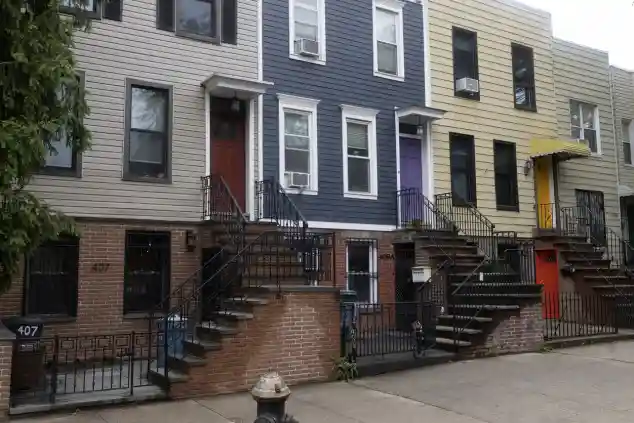
Maintenance issues in a rental are inevitable so understanding your responsibility as a landlord will be crucial.
iStock
We’re buying a two-family house and plan to rent the lower unit to friends. We’re worried our relationship will change once we become their landlords. How can we preserve our friendship?
It’s certainly possible to preserve a relationship with friends if you plan to rent an apartment to them. Keeping rent increases flat or low will be the best way to protect your friendship. It is also in both your interests to keep the apartment well maintained and pest-free. You would also be well advised to have a lease that clearly outlines the responsibilities of both parties.
However, real estate agents had mixed reactions about whether renting to friends is a good idea. “It could be wonderful,” said Suzanne Goldklang, an agent at City Connections Realty. “From a community or quality of life perspective, these are the sort of things that people have always done.” In her experience though, this scenario is rare in New York City.
Ultimately, you need to go into the arrangement with your eyes wide open. “My advice is you probably shouldn't do it,” said Arik Lifshitz, CEO of DSA Property Group. “If it's a really good relationship you wouldn’t be asking the question,” he added.
If you decide to move forward, here are the best tips for a smooth landlord-tenant relationship between friends.
Keep rent increases low or flat
The most obvious area for tension between a landlord and a tenant is figuring out the rent.
“Many reasonable landlords don’t raise the rent or raise it just a little every year,” said Kiyoko Fuchimoto, an agent at Brown Harris Stevens. This would go a long way towards maintaining your friendship.
Small landlords, those who own and operate no more than 10 apartments in the state, are exempt from the Good Cause eviction law, where an unreasonable rent increase is defined as more than 10 percent or 5 percent plus the consumer price index (a measure of inflation currently at 3.4 percent).
Even though you are exempt from this law, it’s helpful to understand the measure of an unreasonable rent increase. “Whenever money is involved it can go well or it can blow up—I’ve seen it all,” Lifshitz said.
Under the rent reforms passed in 2019, a rent increase of 5 percent or more also requires advance written notice and the notice period depends on how long tenants have been in place. A 30-day notice period is required if the tenants have lived there for less than a year, 60-days’ notice for a year or more, and 90-days’ notice if it’s been more than two years.
“Sometimes, for landlords it is not worth raising the rent,” Fuchimoto said. “They get a lot of respect [from tenants] by trying to keep the rent low.”
Stay on top of apartment maintenance
Maintenance issues in a rental are inevitable so understanding your responsibility as a landlord will be crucial. All tenants in NYC are protected under the warranty of habitability, a legal requirement ensuring landlords provide safe and livable conditions in apartments and common areas. “When something breaks, if the landlord responds right away, that helps,” Fuchimoto said.
Violations of the warranty of habitability include neglecting unsafe conditions such as leaks, mold, broken locks, or vermin. You are also responsible for ensuring all systems within the unit work—like, plumbing, appliances, and heat—and that the door and mailbox have working locks. For more read: "New landlord: 10 tips if you're renting out a NYC apartment for the first time.”
Let your friends know the best way to inform you of maintenance issues, whether it is over email or text. It’s also worth having a plan for how they would reach you if there was an emergency, like a leak. “Tenants really appreciate that, when the owner responds quickly to their requests,” Fuchimoto said.
Understand your obligations as a landlord
You may feel confident about the safety and livability of your rental apartment but keep in mind a landlord has other obligations, like providing and installing carbon monoxide and smoke detectors and posting information about fire and emergency preparedness measures in the apartment. Starting in 2030, landlords will also be required to install AC units for tenants that request them.
Clear communication is always important. Familiarizing yourself with the city’s rent laws will also help you avoid unnecessary surprises. Then, if your friends move out and you decide to rent out the apartment through a broker, you will know what else is expected of you. Keep in mind the FARE Act has shifted responsibility for most broker fees from renters to landlords.
Sign a lease, even if you’re friends
As a contract between landlord and tenant, a lease helps in outlining responsibilities. “You should always have something in writing even if it is just a piece of paper with the terms,” Lifshitz said.
By carefully considering the terms of a lease you will have a better sense of issues that might come up. For example, would you be happy if your friend got a pet or wanted to sublet for a while? The lease terms for your arrangement can come out of a conversation about your expectations. “For example, is there going to be shared responsibility for shoveling snow or putting down salt?” Goldklang said.
You’d also be well advised to ask your friends to take out rental insurance in case of fire or water damage. If your friends’ possessions become damaged in such an event, it could strain a friendship, Goldklang said. Insurance requirements can be outlined in the lease. For more, check out: “Rental checklist: 20 things to look for when signing a lease in NYC.”
You Might Also Like