




What is the warranty of habitability and how does it affect tenants?
- These legal requirements ensure that you are provided with a safe and livable apartment
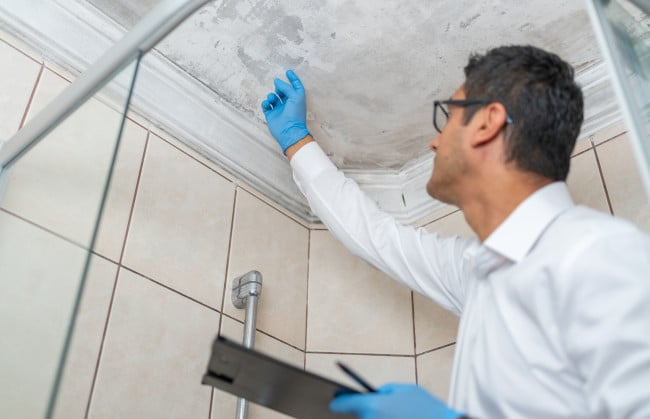
- Violations include neglecting unsafe conditions such as leaks, mold, broken locks, or vermin
- Withholding rent if a landlord violates the warranty of habitability is an option but carries risks

If you are facing unsafe conditions in your apartment, your first step is to tell your landlord and give them an opportunity to fix the problem.
iStock
In New York, every residential lease includes an implied warranty of habitability—even if the lease does not expressly mention it. This legal protection serves two core purposes: it ensures tenants have safe, livable housing conditions, and it clearly defines a landlord's ongoing responsibilities.
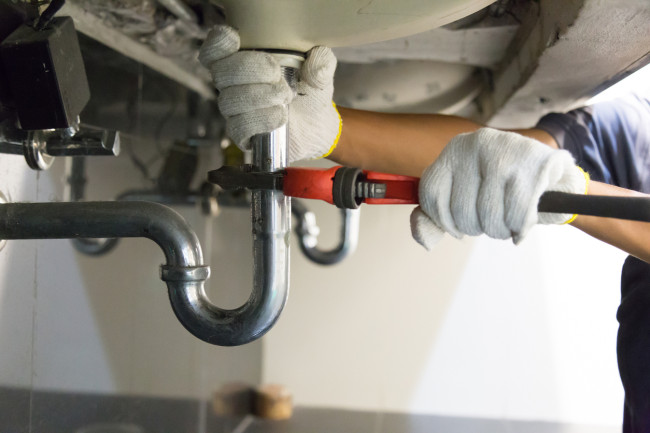
Under this standard, landlords must provide essential services, such as maintaining adequate heat and hot water, keeping common areas clean and secure, and making timely repairs when issues arise. They are also required to ensure that the property complies with applicable housing and building codes.
If a landlord breaches this warranty and the apartment becomes uninhabitable, tenants may have the right to withhold rent. Violations can include failing to repair persistent leaks, mold, or faulty electrical wiring, as well as failing to address infestations of rats, roaches, or other pests.
[Editor's note: An earlier version of this article was published in October 2021. We are presenting it again with updated information for February 2026.]
Proving a breach of the warranty of habitability
You shouldn't have to put up with unlivable conditions; the law is there to protect you. In some cases, proving a breach of the warranty of habitability can be difficult—and even expensive. For example, excessively noisy work by building staff might keep you awake. Still, a judge will probably require proof that it's significantly above normal levels to find in your favor.
In addition to keeping your apartment safe and habitable, landlords must also ensure the building's common areas are clean and sanitary. If you live in a rent-stabilized apartment, there are also rules about so-called "essential services." Under this rule, the landlord must continue to provide the same services as when you moved into the rent-stabilized unit. (More on this below.)
Sometimes, tenants can obtain rent abatements if an apartment or building falls into disrepair, the warranty of habitability is being breached, and the landlord isn't doing anything about it. It's always important to document conditions and put your complaints to the landlord in writing, either in a letter or email.
"Getting violations placed by HPD [Housing Preservation & Development] is the best evidence, as it is [sufficient] evidence of the condition that is the subject of the violation," said Jason Blumberg, an attorney at Mobilization for Justice (formerly MFY Legal Services), which offers free legal housing assistance to low-income New Yorkers. "That means courts just assume it’s true without you having to jump through any evidentiary hoops to prove so. Call 311 early and often."
In other words: Get the condition on the record. An HPD violation doesn’t just document the problem—it shifts the evidentiary burden in your favor.
But don’t stop there. Blumberg stressed that tenants must also give written notice directly to the landlord. Text or email is sufficient, as long as you can prove it’s the correct number or address. Repair requests matter because the burden is on the tenant to show the owner was notified.
HPD violations help by automatically sending notice to the owner. Still, you want proof of the full timeline—when you first complained, how long the condition persisted, and how long the owner failed to act. That timeline affects the scope of any potential rent abatement, which would theoretically begin when the condition should have been repaired after notice was given.
The official HPD notice also spells out how quickly the landlord must fix the problem, depending on the violation level—sometimes as little as 24 hours for hazardous conditions, and up to 90 days for non-hazardous ones. “It’s not always the most intuitive what sort of condition qualifies for which type of violation,” Blumberg noted.
How claims differ across apartment types
Under the law, the implied warranty of habitability “should apply with equal force to all rental apartments.” In theory, tenants in rent-stabilized, market-rate, and other regulated units have the same baseline protection.
"But the reality is that asserting this right can be more difficult in certain situations," Blumberg cautioned. For example, in an unregulated, market-rate apartment, you risk the owner declining to renew your lease if you are seen as making too many repair requests.
The new Good Cause Eviction law offers some protection. Still, Blumberg explained that “rent stabilization remains the best way to guarantee that even other rights can be asserted.” Any system requiring “good cause” to refuse a renewal helps hedge against retaliation, but rent stabilization is stronger because there are fewer workarounds.
Co-ops present a different challenge: responsibility. Disputes often turn on whether the shareholder or the co-op corporation is responsible for the repair—a threshold issue that can complicate habitability claims.
Withholding rent for violations
Withholding monthly payments—whether rent or maintenance—based on a violation of the warranty of habitability carries risks. You could find yourself in housing court down the line for non-payment of rent, so if your landlord doesn't address the issues you've raised, getting legal advice is going to be important.
"The biggest risk is not holding onto the rent money," Blumberg said. You don’t need to formally escrow it. But you do need to have it—or be able to access it within a few days.
In his experience, tenants too often spend some the rent funds while living with serious disrepair, assuming the court will sort it out in their favor. But abatements are unpredictable. If a landlord won’t agree to one before trial, you may have to prove your case at trial—and some judges allow just five days to pay any amount found due. That’s rarely enough time to raise funds or secure rental assistance. As a result, tenants with strong claims sometimes accept reduced abatements just to gain time.
"On the other hand, if a tenant socked away all or most of the rent money, then they are free to litigate their claim and hopefully get all of the abatement to which they are entitled," he said.
Blumberg also said to document repair access. Landlords frequently claim tenants denied them entry to make repairs. "It is thus important to have this piece in writing, too. Send a letter, text, or email affirmatively noting when you can be home to provide access."
Finally, remember housing court will likely hear your abatement claim—but not claims for personal property damage. If a ceiling collapse ruins your laptop, you may need a separate small claims or plenary action to recover for the damage.
Constructive eviction claims
If a landlord persistently refuses to fix a violation of the warranty of habitability, the issue may rise beyond a simple abatement claim into the realm of constructive eviction—but that is a much steeper climb.
“Constructive eviction is a higher standard [than a breach of the warranty of habitability] and, if successfully proven, can allow a tenant to break their lease,” Blumberg said. In other words, a constructive eviction means the conditions are so severe that they effectively deprive you of the use and enjoyment of the apartment, not just inconvenience you.
And the stakes are significant. “Even if the tenant does not want to break their lease, it entitles the tenant to a 100 percent abatement,” he added. That means no rent is owed for the period of the constructive eviction.
But there’s a critical procedural hurdle: You generally must vacate at least part of the apartment before asserting constructive eviction in housing court—for example, moving out of a bedroom rendered unusable—to show that the conditions were serious enough to force you from the space.
Because the standard is high and the remedy drastic, courts narrowly apply constructive eviction. Many severe conditions will support a substantial rent abatement without meeting the threshold for constructive eviction. Always talk through the possible outcomes with a lawyer.
—Earlier versions of this article contained reporting and writing by Emily Myers.