

Fulltext search
FILTER RESULTS BY:
RECOMMENDED IN RENT
Moving to NYC after college? Here's how to find a rental apartment
RECOMMENDED IN BUY
How buying real estate in NYC is unlike anywhere else
RECOMMENDED IN SELL
A guide to using a no-fee renovation loan from a NYC real estate firm
RECOMMENDED IN IMPROVE
How to make your NYC renovation more pet-friendly
BEST REAL ESTATE WEBSITE!
National Association of Real Estate Editors
BEST REAL ESTATE WEBSITE! National Association of Real Estate Editors
Brick Underground
Social Links
follow:
  • Facebook
  • Twitter
  • Instagram
  • Flipboard
  • search
Brick Underground
☰ Brick Underground
Brick Underground
Brick Underground
☰
Brick Underground
  • Buy
    • Buy
    • The Market
    • Investing
    • New Construction + Condos
    • Affordable Housing
    • Co-ops
    • Negotiating + Financing
    • How to Buy in NYC Guide
    25 Broad St., # 17P, is a one bedroom on the market for $985,000.
    Rent
    Financial District takes the top spot on StreetEasy’s neighborhoods to watch in 2026
    Lower Manhattan buildings
    Sell
    Manhattan deals and median sales price rise for fifth consecutive time
    image
    The Search
    How to move to NYC: A crash course for finding an apartment
  • Rent
    • Rent
    • Affordable Housing
    • Roommates + Landlords
    • The Market
    • The Search
    • How to Rent in NYC Guide
    25 Broad St., # 17P, is a one bedroom on the market for $985,000.
    Rent
    Financial District takes the top spot on StreetEasy’s neighborhoods to watch in 2026
    image
    The Search
    How to move to NYC: A crash course for finding an apartment
    rent negotiations nyc brick underground
    The Market
    8 ways to negotiate a smaller rent increase at lease renewal time
  • Sell
    • Sell
    • Staging + Open Houses
    • Negotiations + Closings
    • Getting Ready
    • How to Sell in NYC Guide
    renovating before selling
    Renovation
    How much should you renovate your NYC apartment or house before selling?
    Lower Manhattan buildings
    Sell
    Manhattan deals and median sales price rise for fifth consecutive time
    staged outdoor space NYC at 212 East 70st St. #4b
    Staging + Open Houses
    Selling in winter? Here's how to stage your outdoor space
  • Live
    • Live
    • Neighbors
    • Kids + Pets
    • Neighborhood Intel
    • Products + Test-drives
    • Troubleshooting
    FlatRate moving brick underground
    Live
    How to troubleshoot your move in advance
    Sponsored By flatrate
    The New Kings of New York’
    Live
    Brick’s next Book Club read will be ‘The New Kings of New York'
    Christmas tree ornaments
    Neighborhood Intel
    Take the poll for Brick Underground’s annual Tipping Guide
  • Improve
    • Improve
    • Small Spaces
    • Small Projects + DIY
    • Renovations
    • Design + Architecture
    • Products + Services
    • How to Renovate in NYC Guide
    renovating before selling
    Renovation
    How much should you renovate your NYC apartment or house before selling?
    image
    Renovation
    5 quick and inexpensive renovation projects if you're selling your apartment or house
    NYC buildings in winter
    Improve
    How to warm up your chilly NYC apartment: Brick Underground's best advice
  • Boards & Buildings
    • Boards & Buildings
    • Boards
    • Finance
    • Insurance
    • Legal
    • Property Management
    • Structure & Systems
    • Sustainability
    Burned and Boarded Up Windows
    When should your board hire a public adjuster?
    Manhattan GM
    What should we consider when renewing insurance for our building?
    Facade of NYC buildings
    How much is insurance on a NYC co-op or condo building?
  • Advertise
    • Advertise with us
    • Sponsored Content
    • Experts
    FlatRate moving brick underground
    Live
    How to troubleshoot your move in advance
    Sponsored By flatrate
    Manhattan street view of apartment buildings with street-level retail
    Rent
    Ask Altagracia: Do I have to move out temporarily if the landlord wants to make repairs?
    Sponsored By Outerbridge Law P.C.
    Manhattan apartment buildings
    Rent
    Ask Altagracia: Can I avoid eviction if I’m struggling financially?
    Sponsored By Outerbridge Law P.C.
  • Brick Report
  • About Us
  • About Us
Email Address
Fulltext search
FILTER RESULTS BY:
New Main menu
  • Buy
    • Buy
    • The Market
    • Investing
    • New Construction + Condos
    • Affordable Housing
    • Co-ops
    • Negotiating + Financing
    • How to Buy in NYC Guide
  • Rent
    • Rent
    • Affordable Housing
    • Roommates + Landlords
    • The Market
    • The Search
    • How to Rent in NYC Guide
  • Sell
    • Sell
    • Staging + Open Houses
    • Negotiations + Closings
    • Getting Ready
    • How to Sell in NYC Guide
  • Live
    • Live
    • Neighbors
    • Kids + Pets
    • Neighborhood Intel
    • Products + Test-drives
    • Troubleshooting
  • Improve
    • Improve
    • Small Spaces
    • Small Projects + DIY
    • Renovations
    • Design + Architecture
    • Products + Services
    • How to Renovate in NYC Guide
  • Boards & Buildings
    • Boards & Buildings
    • Boards
    • Finance
    • Insurance
    • Legal
    • Property Management
    • Structure & Systems
    • Sustainability
  • Advertise
    • Advertise with us
    • Sponsored Content
    • Experts
  • Brick Report
  • About Us
    • About Us
    • Advertise
  • About Us
SUBSCRIBE TO OUR NEWSLETTER →
Social Links Footer
  • Facebook
  • Twitter
  • Instagram
  • Search
Ask Altagracia [ SPONSORED ]

Ask Sam: How do I find out if my apartment is covered by NYC's Loft Law?

  • Multiple amendments to the law have expanded coverage to a more tenants
  • The law now applies to work/live arrangements in Williamsburg and Long Island City
  • Loft apartments that meet certain requirements can become rent stabilized
By Himmelstein McConnell Gribben & Joseph LLP  | June 28, 2023 - 1:00PM
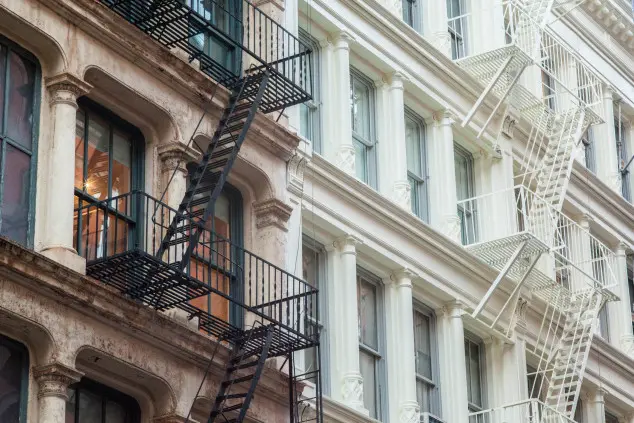
Cast iron apartment buildings in Soho

Tenants can investigate whether they are living in a building that doesn’t have a residential certificate of occupancy, and if it qualifies for the Loft Law.

iStock

SHARE:
Share to Facebook
Share to Twitter
Print
More...

I live in a loft apartment in a mixed industrial and residential building. How do I determine is my apartment is covered by the Loft Law, and what would that mean for me?

The Loft Law has been amended recently, expanding coverage to new neighborhoods, and tenants whose apartments are subject to the law can become rent stabilized, says Sam Himmelstein, an attorney at Himmelstein, McConnell, Gribben & Joseph who represents residential and commercial tenants and tenant associations.

“The Loft Law was originally created in response to the fact that there were tenants living in commercial and industrial buildings, mostly in Soho, that didn’t have residential certificates of occupancy,” Himmelstein says. “This gave them certain advantages, but also made them vulnerable.”

The law, passed in 1982, established a Loft Board, as well as a process of legalization through which these spaces could become residential, rent-stabilized apartments.

Since then, multiple amendments to the law have been passed to allow for more tenants to avail themselves of Loft Law coverage. Tenants in neighborhoods like Williamsburg and Long Island City who are using commercial or industrial spaces in work/live arrangements, for instance, may find that the law applies to them, and they can begin the legalization process.

Tenants can investigate whether they are living in a building that doesn’t have a residential certificate of occupancy, and if it qualifies for the Loft Law. There are some tip-offs this might be the case.

“A landlord might give someone a commercial lease but know the space is being used residentially or the lease might say that the space is for ‘authorized use only,’” says Jesse Gribben, also an attorney at Himmelstein, McConnell, Gribben & Joseph.

For a space to qualify, there are several requirements. It has to be at least 400 square feet, it can’t be located in a cellar, and there must have been three or more tenants in residential occupancy in the building during the one of relevant window periods: those being 2009 to 2010, or 2015 to 2016.

“You have to prove that during one of those time periods, your apartment and two others in the building were being used residentially,” Gribben explains. “The cases we litigate now are focused on the 2009 to 2010, and 2015 to 2016 windows. We don’t know if there will be further amendments to the law allowing for later window periods.”

The Department of Buildings oversees the legalization process, which begins with filing a protected occupancy application with the Loft Board. The cases are then adjudicated by the Office of Administrative Trials and Hearings known as OATH.

“Tenants and landlords bear the burden of proving the building qualifies, that it’s zoned properly, and that it meets all the requirements,” Gribben says. “The process can be somewhat contentious, and tenants often engage their own experts to opine on the best way to legalize the building.”

In many instances, this means the landlord needs to undertake significant renovations in order to secure a residential certificate of occupancy. They may need to install sprinklers and windows and create new means of egress to meet all the safety requirements.

The end result of legalization—which can take years—is that the building will have a residential certificate of occupancy, and the tenants’ apartments will enter rent stabilization.

“Ultimately the goal is to live in a space that is compliant with building codes and rent stabilized,” Gribben says. “But the scope of work needed to legalize a building is so daunting that sometimes landlords drag their heels and tenants have to push it along.”

When a landlord fails to do anything to legalize occupancy, tenants should ask the Loft Board to order legalization, and impose fines and sanctions until the process is underway.

Another option for tenants recognized as protected occupants under the Loft Law is to sell their “rights and fixtures.” This is essentially a buyout: in a sale of fixtures, a tenant who has converted a raw space into a residential one, with walls, partitions, plumbing, lighting, and so on, can make an agreement with the landlord that they will move out if they are paid for the work they did. A sale of rights means the tenant sells their rights as a stabilized tenant, the landlord gets the apartment back, and it becomes a market-rate unit.

“If you rented space as a residential tenant, but you find that the building doesn’t have a residential certificate of occupancy, you should further investigate whether it’s potentially covered under the Loft Law,” Gribben says. “Make an initial inquiry to the Loft Board to get the process started.”

Related: 

Ask Sam: How do I find out if my apartment should be rent-stabilized--and the landlord owes me money? (sponsored)

Ask Sam: Is a landlord allowed to 'warehouse' vacant apartments? (sponsored)

Ask Sam: My landlord is offering me a buyout to leave my rent-stabilized apartment. Can I negotiate for more? (sponsored) 

Read all our Ask a Renters Rights Lawyer columns here.


Sam Himmelstein, Esq. represents NYC tenants and tenant associations in disputes over evictions, rent increases, rental conversions, rent stabilization law, lease buyouts, and many other issues. He is a partner at Himmelstein, McConnell, Gribben & Joseph in Manhattan. To submit a question for this column, click here. To ask about a legal consultation, email Sam or call (212) 349-3000.

Alanna Schubach

Alanna Schubach

Contributing writer

Contributing editor Alanna Schubach has over a decade of experience as a New York City-based freelance journalist.

SEE MORE BY Alanna Schubach »
Brick Underground articles occasionally include the expertise of, or information about, advertising partners when relevant to the story. We will never promote an advertiser's product without making the relationship clear to our readers.

topics:

Ask Altagracia landlords lofts rent regulation tenants tenants' rights
SHARE
TWEET
BRICK’S PICKS
renovating before selling
How much should you renovate your NYC apartment or house before selling?
Man looking at his phone in NYC street
Why you should check reviews from current tenants before you sign a new lease
brownstone NYC
You bought a NYC brownstone. How are you going to manage it?
three-bedroom duplex condo in Williamsburg is listed for $1.8 million
How much does moving to the suburbs cost vs. staying in NYC?
880 Fifth Ave., PHF, a two-bedroom co-op listed for $6.975 million
The pros and cons of owning a NYC penthouse apartment
empty nesters in modern kitchen
Empty nester checklist: What to consider if you are buying or renting in NYC
Follow Brick on Instagram
@brickunderground | #brickunderground
Brick UndergroundBRICK UNDERGROUNDREAL LIFE. REAL ESTATE. REAL NEW YORK.
Social Links Footer
  • Facebook
  • Twitter
  • Instagram
  • Search
Main menu footer
  • Buy
    • The Market
    • Investing
    • New Construction + Condos
    • Affordable Housing
    • Co-ops
    • Negotiating + Financing
    • How to Buy in NYC Guide
  • Rent
    • Affordable Housing
    • Roommates + Landlords
    • The Market
    • The Search
    • How to Rent in NYC Guide
  • Sell
    • Staging + Open Houses
    • Negotiations + Closings
    • Getting Ready
    • How to Sell in NYC Guide
  • Live
    • Neighbors
    • Kids + Pets
    • Neighborhood Intel
    • Products + Test-drives
    • Troubleshooting
  • Improve
    • Small Spaces
    • Small Projects + DIY
    • Renovations
    • Design + Architecture
    • Products + Services
    • How to Renovate in NYC Guide

Get more news you can actually use...

Email Address

Delivered to your inbox weekly - for free.

*By signing up you agree to receive occasional emails on behalf of our sponsors

Footer Menu
  • About Us
  • Advertise

Copyright 2009-2024 by BND Ventures Inc | Privacy Policy | Terms of Service | Ad Choices | Login | Powered by Mortar CMS, the AI CMS
