




The best plants for staging your NYC apartment to sell in winter
- Greenery creates a feeling of warmth in the dead of winter
- Don't have a green thumb? Fake plants are often as good as real ones
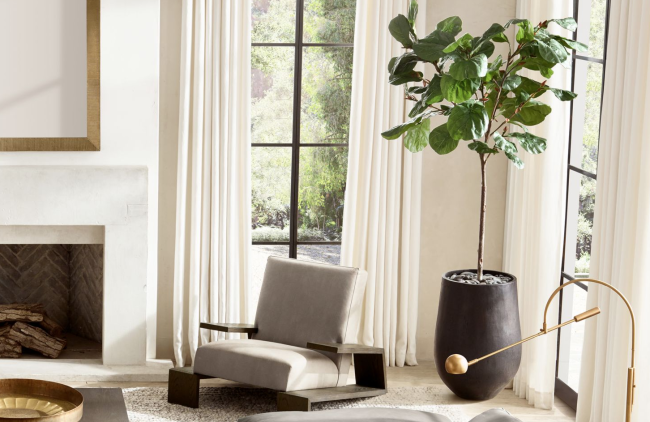
- The fiddle leaf fig, with big glossy leaves, is a popular choice
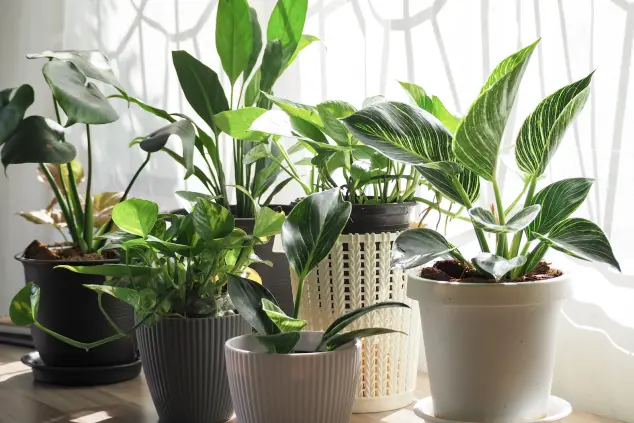
From micro-succulents to towering palms, there are plenty of plants to choose from when staging your place.
iStock
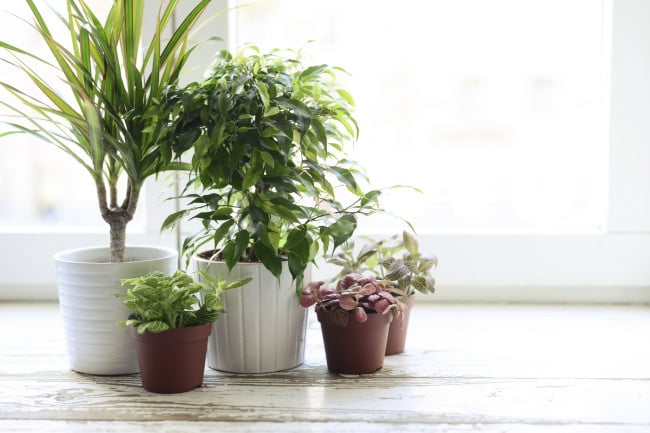
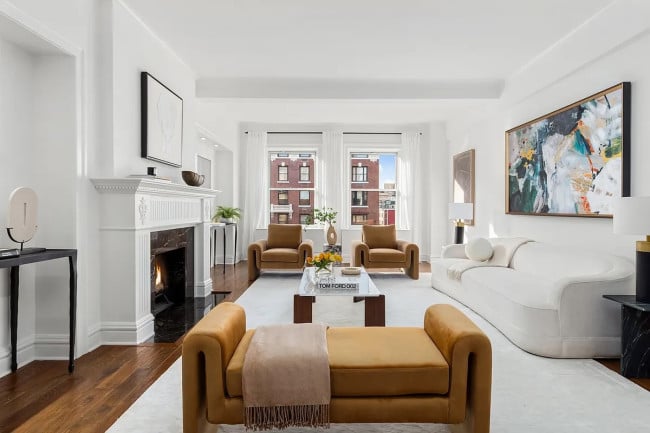
If you’re trying to sell your apartment in winter, staging professionals recommend redirecting buyers' focus from the cold, gray scenery outside to the life and warmth inside your apartment, a feat which can be achieved with some well-chosen plants. But picking out plants can be intimidating if you don’t know what to buy.
Here are some tips from the experts on what to look for when shopping for greenery, and the good news is fake is often just as good, if not better, than real.
“I always think green sells a space,” said Melanie Greene, founder of Greenehouse NYC, a real estate staging and photography company. She said fake plants have the benefit of not dying on you and many appear convincingly real.
According to Greene’s virtual staging manager, Susan Hum, the plants that are in demand are those that complement Mid-century Modern, Scandinavian, and bohemian furnishing trends. Think: the trusted fiddle leaf fig and micro succulents. "Plants give life and fresh air to a space so the more the merrier," she said.
[Editor's note: A previous version of this post was published in November 2022. We are presenting it again with updated information for January 2026.]

1) The trusty fiddle leaf fig
"I love a good a fiddle leaf fig—medium size to tall," said Daniel Blatman, a broker at Compass. The size you pick should depend on the height of your ceilings, he said "If you have a tall ceiling it can really keep the eye drawing up" to show off the space, he said. The cost of an artificial fiddle leaf runs from $100 to $500.
A real fiddle leaf fig—or Ficus lyrata if you want the botanical name—is about $250 for a medium-size plant. One of the most popular plants at the Chelsea Garden Center, they do best with bright, indirect light—which isn't always ideal and makes them tricky to keep alive.

2) Flame-like snake plants
Snake plants—or Dracaena trifasciata—work well in tighter spaces. With variegated leaves, these plants look like flames in a pot and one of the benefits is they produce lots of oxygen, making them natural air purifiers, according to the experts at My City Plants. Snake plants can also survive in fairly harsh conditions and thrive in almost any light, which is good if you have a tendency to neglect your gardening duties.
Expect to pay upwards of $60 for a living plant. A faux potted version starts around $40.

3) Low maintenance majesty palms
Unlike the fiddle leaf fig, the majesty palm is a great plant for beginners and can take a fair amount of neglect, according to the experts at Chelsea Garden Center. This makes it a popular staging choice if you're trying to sell. Living palms start at around $250. You can get a fake palm starting at around $60.

4) Delicate orchids
Minimalism and modernism are coveted aesthetic. Placing an orchid in an uncluttered space or as a centerpiece on a table can make the place feel serene. "Orchids—we usually do either the white variety or the pink ones—they offer a beautiful touch to an indoor space," Hum said. As well as having spectacular blooms, orchids can flower for several weeks, a plus given that apartments in Manhattan are typically on the market around 70 days.
Phalaenopsis orchids are easy to take care of, according to the pros at Plant Shed who offer same day delivery in NYC. The cost of a living orchid can range between $35 to $300.

5) Friendly succulents
If you want low or no maintenance, succulents are a good bet. Most are native to desert landscapes so are fairly resilient—they are also pretty cute and add some life and color to a desk or shelf.
Succulents only need to be watered twice a week. A neat display of four living succulents starts at around $50 at the Plant Shed.
—Earlier versions of this article contained reporting and writing by Emily Myers.
You Might Also Like