




Ask Altagracia: I have trouble walking up stairs. Can I ask my landlord to move me to a lower floor?
- Tenants with disabilities can ask for a reasonable accommodation, but the outcome is not guaranteed
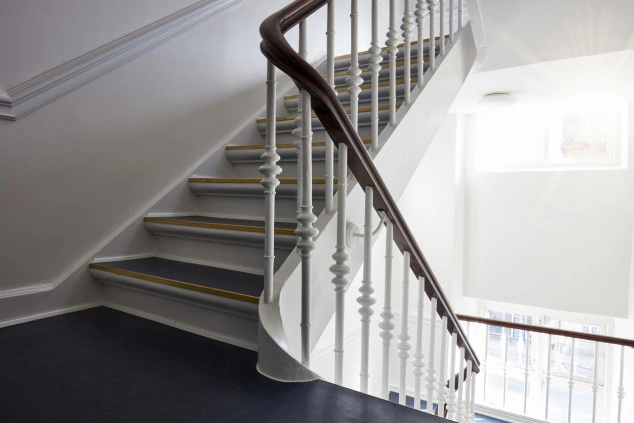
If the landlord does not have an alternative apartment, you may agree that when a comparable apartment on a lower floor becomes available you will be accommodated.
iStock
I live on the fourth floor of a building without an elevator. I have mobility issues and the stairs are getting more difficult for me. Can I ask the landlord to move me to a unit on a lower floor?
If you make a request of your landlord based on your disability, they must engage in cooperative dialogue with you. “Refusing to discuss this with you is a violation of the city’s human rights laws,” said Altagracia Pierre-Outerbridge, attorney and founder of Outerbridge Law representing residential tenants, condo owners and landlords.
You are also entitled to reasonable accommodation from your landlord. This is an adjustment that does not cause the landlord undue hardship. In some cases they will be unable to accommodate your request. “This is not black and white—the landlord must try to accommodate you where they can,” Pierre-Outerbridge said. “But the outcome is not guaranteed.”
Seeking reasonable accomodation
You are entitled to bring a discrimination claim against your landlord if you have a disability and they fail to provide you with reasonable accommodations. “So you can absolutely ask your landlord to move to an apartment on a lower floor if the stairs are increasingly difficult,” Pierre-Outerbridge said. However, if there is no apartment available on a lower floor they are not required to provide you with one.
Outerbridge Law is currently working with a client seeking a larger shower to accommodate her mobility chair. The tenant also has difficulties in the lobby because there are no chairs as she waits for her disability vehicle to take her to the doctor. “We are going to be asking the landlord to install seating in the lobby as a reasonable accommodation,” Pierre-Outerbridge said.
Reaching an agreement on accommodations
If you believe you’ve experienced discrimination you can file a complaint with the New York City Commission on Human Rights (NYCCHR). “The commission will review the complaint, get information from both parties and if a settlement isn’t reached, they will issue a decision,” Pierre-Outerbridge said.
Getting a decision from NYCCHR can take more than a year. “We have settled many many cases while the agency is deciding,” Pierre-Outerbridge said. A recent NYC comptroller report found that the agency takes more than two years, on average, to issue a decision. “Until the agency decides, the parties can talk and the landlord has an incentive during that time to enter a settlement,” Pierre-Outerbridge added.
If the landlord does not have an alternative apartment, you may agree that when a comparable apartment on a lower floor becomes available you will be accommodated. “I would consider this a win,” Pierre-Outerbridge said. “But I would want it to be a part of a written agreement rather than just an oral commitment.”
When you file an discrimination complaint, an attorney can guide you through the process, using relevant case law to help you reach a favorable settlement. “We are always looking for creative ways to get what we want for our clients,” Pierre-Outerbridge said.
Altagracia Pierre-Outerbridge, Esq. is the owner of Outerbridge Law P.C, focusing primarily on tenant representation. The firm represents all sides in landlord-tenant litigation and transactional matters such as month-to-month holdovers, nuisance cases, licensee cases, harassment claims, repair cases, tenant buyouts, succession claims, DHCR overcharges and rent reductions and more. Pierre-Outerbridge has 15 years of experience litigating in Supreme, DHCR, and Housing Court. To submit a question for this column, click here. To contact Outerbridge Law P.C. directly, call 212-364-5612 or 877-OUTERBRIDGE, or schedule a meeting today.