

Fulltext search
FILTER RESULTS BY:
RECOMMENDED IN RENT
Moving to NYC after college? Here's how to find a rental apartment
RECOMMENDED IN BUY
How buying real estate in NYC is unlike anywhere else
RECOMMENDED IN SELL
A guide to using a no-fee renovation loan from a NYC real estate firm
RECOMMENDED IN IMPROVE
How to make your NYC renovation more pet-friendly
BEST REAL ESTATE WEBSITE!
National Association of Real Estate Editors
BEST REAL ESTATE WEBSITE! National Association of Real Estate Editors
Brick Underground
Social Links
follow:
  • Facebook
  • Twitter
  • Instagram
  • Flipboard
  • search
Brick Underground
☰ Brick Underground
Brick Underground
Brick Underground
☰
Brick Underground
  • Buy
    • Buy
    • The Market
    • Investing
    • New Construction + Condos
    • Affordable Housing
    • Co-ops
    • Negotiating + Financing
    • How to Buy in NYC Guide
    Manhattan residential avenue
    Buy
    What property managers wish new NYC co-op or condo board members understood
    three-bedroom condo in Brooklyn Heights asking $2.895 million
    Sell
    How much does moving to the suburbs cost vs. staying in NYC?
    213 29th St. in Greenwood
    Buy
    We want to buy a Brooklyn townhouse under $2 million. Should we consider a one- or two-family house?
  • Rent
    • Rent
    • Affordable Housing
    • Roommates + Landlords
    • The Market
    • The Search
    • How to Rent in NYC Guide
    Nov. 7th news conference outside 408 West 56th St.
    Rent
    Your rental building is deteriorating and your landlord is headed toward foreclosure. How can you protect yourself?
    View of Manhattan skyline from Gantry Plaza State Park
    Rent
    Why we moved to NYC from Toronto: A job promotion gave us the chance to start over
    apartment building in Harlem
    Rent
    I need a guarantor, but my roommate meets the NYC landlord’s income requirements on her own. What should we do?
    Sponsored By PandaGuarantee
  • Sell
    • Sell
    • Staging + Open Houses
    • Negotiations + Closings
    • Getting Ready
    • How to Sell in NYC Guide
    three-bedroom condo in Brooklyn Heights asking $2.895 million
    Sell
    How much does moving to the suburbs cost vs. staying in NYC?
    residential buildings NYC
    Negotiations + Closings
    What is a post-closing possession agreement and what are the risks for buyers and sellers?
    Billionaires Row in Manhattan
    Sell
    Median price for Manhattan co-ops and condos stuck at $1.25 million in the third quarter
  • Live
    • Live
    • Neighbors
    • Kids + Pets
    • Neighborhood Intel
    • Products + Test-drives
    • Troubleshooting
    FlatRate moving brick underground
    Live
    How to troubleshoot your move in advance
    Sponsored By flatrate
    The 1928 Art Deco 3 East 84th St
    Live
    The 1928 Art Deco 3 East 84th St: ‘A wild combination of abstract patterns and ornament’
    The Lonely George and Annie Smith Mansion - 1033 Fifth Avenue
    Live
    The Smith Mansion at 1033 Fifth Ave: A dignified Beaux Arts design sandwiched between apartment buildings
  • Improve
    • Improve
    • Small Spaces
    • Small Projects + DIY
    • Renovations
    • Design + Architecture
    • Products + Services
    • How to Renovate in NYC Guide
    Gloved person working on a door lock
    Products + Services
    NYC Door & Lock Laws: Requirements & Tenant Rights
    Sponsored By Mr. Locks
    Gallery KBNY apartment renovation
    Renovation
    What to know before a substantial renovation of your NYC prewar apartment
    Sponsored By Gallery KBNY
    Apartment buildings in Lower Manhattan
    Renovation
    Which repairs are co-op and condo owners responsible for? What do buildings take care of?
  • Boards & Buildings
    • Boards & Buildings
    • Boards
    • Finance
    • Insurance
    • Legal
    • Property Management
    • Structure & Systems
    • Sustainability
  • Advertise
    • Advertise with us
    • Sponsored Content
    • Experts
    FlatRate moving brick underground
    Live
    How to troubleshoot your move in advance
    Sponsored By flatrate
    Gallery KBNY apartment renovation
    Renovation
    What to know before a substantial renovation of your NYC prewar apartment
    Sponsored By Gallery KBNY
    Brick NYC apartment buildings with fire escapes
    Affordable Housing
    Ask Altagracia: What are the rules for evicting rent-stabilized tenants in NYC?
    Sponsored By Outerbridge Law P.C.
  • Brick Report
  • About Us
  • About Us
Email address
Fulltext search
FILTER RESULTS BY:
New Main menu
  • Buy
    • Buy
    • The Market
    • Investing
    • New Construction + Condos
    • Affordable Housing
    • Co-ops
    • Negotiating + Financing
    • How to Buy in NYC Guide
  • Rent
    • Rent
    • Affordable Housing
    • Roommates + Landlords
    • The Market
    • The Search
    • How to Rent in NYC Guide
  • Sell
    • Sell
    • Staging + Open Houses
    • Negotiations + Closings
    • Getting Ready
    • How to Sell in NYC Guide
  • Live
    • Live
    • Neighbors
    • Kids + Pets
    • Neighborhood Intel
    • Products + Test-drives
    • Troubleshooting
  • Improve
    • Improve
    • Small Spaces
    • Small Projects + DIY
    • Renovations
    • Design + Architecture
    • Products + Services
    • How to Renovate in NYC Guide
  • Boards & Buildings
    • Boards & Buildings
    • Boards
    • Finance
    • Insurance
    • Legal
    • Property Management
    • Structure & Systems
    • Sustainability
  • Advertise
    • Advertise with us
    • Sponsored Content
    • Experts
  • Brick Report
  • About Us
    • About Us
    • Advertise
  • About Us
SUBSCRIBE TO OUR NEWSLETTER →
Social Links Footer
  • Facebook
  • Twitter
  • Instagram
  • Search
Buy [ SPONSORED ]

What can you afford to buy in New York City real estate? Here's how to calculate your bottom line

By Corcoran  | May 22, 2019 - 11:00AM
image

Your debt-to-income ratio matters when it comes to getting a mortgage and being approved by a co-op board.

iStock

Determining how much you can afford to spend on a condo, co-op or townhouse in NYC isn’t as easy as simply looking at your paycheck and your savings account.

“You’ll need to calculate how much you can afford for a down payment and what you will need for monthly carrying costs, as well as how you will pay the closing costs and whether you have enough money left over to pay your expenses,” says Robert Doernberg, senior managing director at Corcoran’s East Side office. “We walk people through this analysis all the time. Then we help them find the property that is the best fit for their financial situation and budget, which are often two separate things.”

First, calculate your debt-to-income ratio

Your debt-to-income ratio shows how much debt you can afford on a monthly basis. Debt includes credit card, student loan, and child support payments but doesn’t include living costs like utilities and groceries. Income includes investment income, but depending on the building or lender, often will not take into account fluctuating amounts like bonuses.

“You can calculate your debt-to-income ratio by dividing your monthly debt payments by your monthly gross income. For example, if your monthly debt is $2,750 and your gross monthly income is $8,000, your DTI is around 34 percent,” says Doernberg.

Your debt-to-income ratio matters when it comes to getting a mortgage and being approved by a co-op board.

“As a general rule, lenders as well as co-op boards don’t want to see housing costs exceed one third of a buyer’s gross income,” says Anthony Morris who leads a team of brokers at Corcoran and who frequently works with first-time buyers, as well as buyers from outside New York who are looking for second homes or investment properties here.

Co-op boards often have stricter debt-to-income standards than banks: The maximum debt-to-income ratio to qualify for a mortgage loan will vary depending on the bank or lending program but the number is generally around 43 percent, whereas most co-ops want to see a debt-to-income ratio of around 25 to 30 percent.

“The building may require something and the bank could require something different. It’s good to go by what the building requires,” says Lauren Bennet, a broker with Corcoran.

What you need for a down payment

Every building is unique and has different requirements for the down payment. Many condos require 10 percent of the purchase price but that figure can be higher. For example, says Bennett, “if you’re getting a mortgage and no units have sold in the same price point, a bank may require more down from buyers,” says Bennett.

Co-ops, which are generally more affordable than condos, usually require higher down payments than condos. About 20 to 30 percent is common, though some require 50 to 60 percent of the purchase price, and a few rarified buildings demand all cash.

Monthly carrying costs

In addition to your mortgage payment, you’ll need to make sure you can afford your monthly carrying costs. (In a co-op, the monthly maintenance fee includes property taxes as well as the costs of running the building. In a condo, monthly common charges include only the costs of running and maintaining the building; you’ll pay property taxes separately.)

The expenses of running a building can vary dramatically. One building might have a virtual doorman and no amenities, while another might have a swimming pool, a full-time doorman and white glove elevator service.

“That all costs money. I draw up detailed spreadsheets where my clients can look at the pluses and minuses of each building. That way it’s easier for them to itemize and maybe see what is appropriate for them,” says Bennett.

Closing costs and leftover funds

When apartments change hands in New York City, there are various taxes and fees associated with the deal. These are called closing costs and can run to tens of thousands of dollars. For buyers, they generally amount to 2 to 4 percent of the purchase price.

Usually, boards will also want to see that you have at least two year's worth of monthly costs in cash, bonds and stocks after you close. This is called post-closing liquidity. This is more common in co-ops but it’s still a good rule of thumb to have the money available so you can cover the monthly payments.

Match your budget—and financial circumstances—to the right building

The local knowledge of an experienced broker—who can, for example, introduce you to buildings that put more emphasis on income than high down payments—will make your buying process significantly easier.

Bennett, for example, specializes in property in Western Queens, including Long Island City, Astoria and Sunnyside.

“I know all the buildings and all the doormen, and I’ve done deals in most of the buildings in the neighborhood,” says Bennett. “I have a very clear understanding of the inner workings of the buildings and what they are looking for on different applications. I know immediately where to take clients because I know exactly where the building price points fall historically.”

Likewise, Morris says his expertise is in “knowing where your money will go the furthest towards your ultimate real estate goals.”

Trying to figure out how much you can afford to buy in New York City—and where to find it? Speak to an agent at  www.corcoran.com today.

You Might Also Like
image
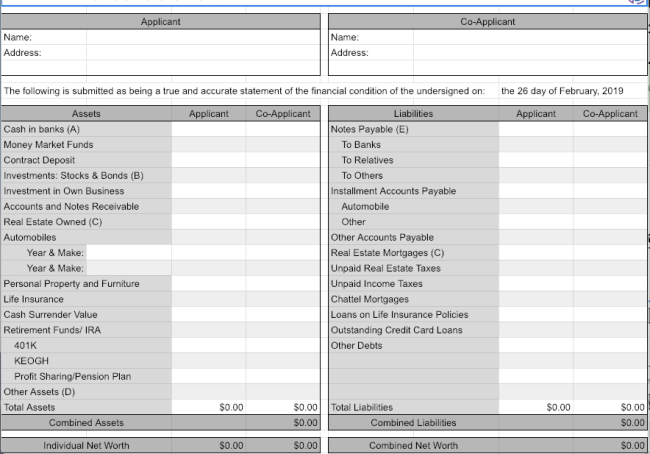
Buy What's a financial disclosure statement?
image
Buy Buying a co-op or condo in NYC? 3 great reasons to pay all cash instead of getting a mortgage
A financial statement offers a snapshot of a co-op or condo building's financial health. Here are some of the key things to look for
Sales Market How to read a NYC co-op or condo building’s financial statement


Brick Underground articles occasionally include the expertise of, or information about, advertising partners when relevant to the story. We will never promote an advertiser's product without making the relationship clear to our readers.

topics:

brokers closing down payment maintenance & common charges
BRICK’S PICKS
three-bedroom condo in Brooklyn Heights asking $2.895 million
How much does moving to the suburbs cost vs. staying in NYC?
NYC brownstones
You bought a NYC townhouse. How are you going to manage it?
Apartment buildings in Lower Manhattan
Which repairs are co-op and condo owners responsible for? What do buildings take care of?
stacked washer/dryer condo in a bathroom
Can I install a washer/dryer combo in my NYC co-op?
one-bedroom unit at 365 West 23rd St.
A pied-à-terre purchase checklist: What to consider if you're buying a part-time place in NYC
A kitchen with stainless steel appliances and counter tops and wood floor
11 things NYC landlords are required to provide, and 11 they’re not that might surprise you
Follow Brick on Instagram
@brickunderground | #brickunderground
Brick UndergroundBRICK UNDERGROUNDREAL LIFE. REAL ESTATE. REAL NEW YORK.
Social Links Footer
  • Facebook
  • Twitter
  • Instagram
  • Search
Main menu footer
  • Buy
    • The Market
    • Investing
    • New Construction + Condos
    • Affordable Housing
    • Co-ops
    • Negotiating + Financing
    • How to Buy in NYC Guide
  • Rent
    • Affordable Housing
    • Roommates + Landlords
    • The Market
    • The Search
    • How to Rent in NYC Guide
  • Sell
    • Staging + Open Houses
    • Negotiations + Closings
    • Getting Ready
    • How to Sell in NYC Guide
  • Live
    • Neighbors
    • Kids + Pets
    • Neighborhood Intel
    • Products + Test-drives
    • Troubleshooting
  • Improve
    • Small Spaces
    • Small Projects + DIY
    • Renovations
    • Design + Architecture
    • Products + Services
    • How to Renovate in NYC Guide

Get more news you can actually use...

Email address

Delivered to your inbox weekly - for free.

*By signing up you agree to receive occasional emails on behalf of our sponsors

Footer Menu
  • About Us
  • Advertise

Copyright 2009-2024 by BND Ventures Inc | Privacy Policy | Terms of Service | Ad Choices | Login | Powered by Mortar CMS, the AI CMS