



Ask Altagracia: What are the rules for evicting rent-stabilized tenants in NYC?
- Tenants have the option to fix issues before landlords can officially evict
- 2019 rent law reforms made eviction much harder for landlords to pursue
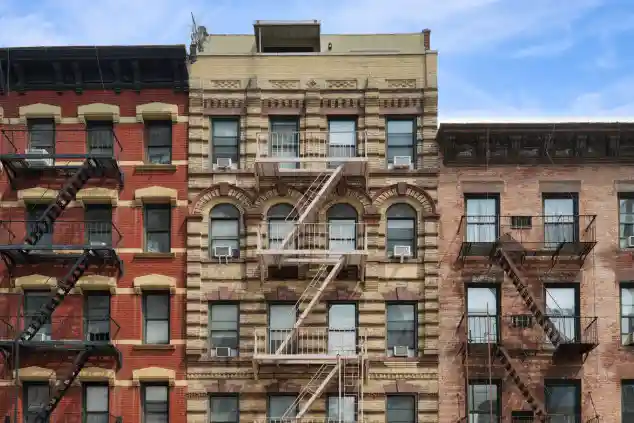
Rent-stabilized tenants can only be evicted under specific circumstances, such as using your apartment as a non-primary residence or illegal subletting.
iStock
I recently moved into a rent-stabilized apartment. I’ve heard that stabilized tenants are better protected from eviction than market-rate tenants. How am I protected from eviction? Under what circumstances could the landlord kick me out?
It’s true that rent-stabilized tenants have a greater degree of protection from eviction than market-rate tenants. However, landlords of rent-stabilized units can still evict tenants in specific, limited cases that breach the terms outlined in the lease.
Not paying rent
It’s most common for landlords to pursue eviction of rent-stabilized tenants if they aren’t paying rent, according to Altagracia Pierre-Outerbridge, attorney and founder of Outerbridge Law representing residential tenants, condo owners and landlords.
“Typically, tenants withhold rent as leverage over their landlord if they believe that the landlord is neglecting the unit or are otherwise violating the terms of the lease,” Pierre-Outerbridge said. “Or they can’t pay due to financial hardship.” Some landlords will agree to a payment plan. In some cases, social services may be able to step in to help make payments.
However, if you agree to a payment plan and fail to meet the terms, or you can’t meet a payment determined by a housing court judge, your landlord may have grounds to evict.
Non-primary residence
Rent-stabilized tenants must live in the unit for at least six months of the year, per the rent stabilization code. If your landlord finds out that you’re spending more than half the year elsewhere, they would have grounds to evict you.
“When your lease is set to expire, your landlord would notify you that they don’t intend to renew,” Pierre-Outerbridge said. “If your landlord charges you with using the apartment as a non-primary residence, you would need to show proof that it is your primary residence, like bank or credit card statements with purchases made in the area, or employment records.” There are exceptions for taking care of sick family members, traveling for your job, or other medical issues.
Pierre-Outerbridge notes that since vacancy deregulation was repealed, non-primary residence eviction cases have petered off. “Landlords have significantly less incentive to evict tenants,” Pierre-Outerbridge said. “Since they can only raise the rent in smaller increments, their incentive to pursue eviction, which can be a tedious, costly process, is pretty menial.”
Breach of tenancy and being a nuisance
Violating the terms of your lease, or the law, can still serve as grounds for eviction for rent-stabilized tenants. “Illegal subletting, short-term rentals, like on Airbnb, refusing to give access to your apartment to your landlord for maintenance, or getting a pet if your lease forbids it are some of the more common scenarios we see with tenants potentially facing eviction,” Pierre-Outerbridge said.
And if you’re using the apartment for illegal activity, like dealing drugs or running an unlicensed business out of the unit, it’s possible that a landlord could serve you with an eviction notice. “That kind of thing wades into the nuisance territory,” Pierre-Outerbridge said. “Typically, courts define nuisances as ongoing problems rather than one-off violations.”
Some nuisances, like overwhelming clutter that attracts pests, can be remedied without the need for eviction. “Courts would determine whether the nuisance behavior can be cured before insisting that the tenant vacate,” Pierre-Outerbridge said. “But a judge is less likely to be lenient if the behavior violates the law, like selling illegal drugs.”
Demolition or owner use
If a landlord wants to demolish or gut-renovate a building, they would need to prove only that they have the financial ability to complete the project and approval from the city. “Unlike the other more common cases, a demolition case would involve the Division of Housing and Community Renewal, rather than housing court,” Pierre-Outerbridge.
Tenants facing demolition are legally entitled to stipends if the plan moves forward, but you may also be able to negotiate a buyout from your landlord.
Separately, if a landlord wants your unit, for their own tenancy or that of a family member, it’s less likely you’d face eviction today. Rent reforms passed in 2019 made landlords demonstrate “immediate and compelling necessity” to terminate the lease on a single apartment for owner use. “The standard is quite strict now,” Pierre-Outerbridge said.
Facing eviction
If you do get served an eviction notice, Pierre-Outerbridge encourages tenants to seek counsel, as many cases can be resolved during the notice stage, before going to court, and some notices may include specific deadlines.
“A lawyer will be able to evaluate your specific case and offer solutions to fight the eviction, or even resolve the matter without needing to go to housing court,” Pierre-Outerbridge said. “And if you’re being evicted unfairly, a lawyer can help you fight back against your landlord and maintain your residence.”
Typically, housing court results in settling with a payment plan, a deadline to cure the issue or a negotiated move-out timeline, and a lawyer can ensure that these decisions are carried out fairly.
Altagracia Pierre-Outerbridge, Esq. is the owner of Outerbridge Law P.C, focusing primarily on tenant representation. The firm represents all sides in landlord-tenant litigation and transactional matters such as month-to-month holdovers, nuisance cases, licensee cases, harassment claims, repair cases, tenant buyouts, succession claims, DHCR overcharges and rent reductions and more. Pierre-Outerbridge has 15 years of experience litigating in Supreme, DHCR, and Housing Court. To submit a question for this column, click here. To contact Outerbridge Law P.C. directly, call 212-364-5612 or 877-OUTERBRIDGE, or schedule a meeting today.
You Might Also Like