
Fulltext search
FILTER RESULTS BY:
RECOMMENDED IN RENT
Moving to NYC after college? Here's how to find a rental apartment
RECOMMENDED IN BUY
How buying real estate in NYC is unlike anywhere else
RECOMMENDED IN SELL
A guide to using a no-fee renovation loan from a NYC real estate firm
RECOMMENDED IN IMPROVE
How to make your NYC renovation more pet-friendly
BEST REAL ESTATE WEBSITE!
National Association of Real Estate Editors
BEST REAL ESTATE WEBSITE! National Association of Real Estate Editors
Brick Underground
Social Links
follow:
  • Facebook
  • Twitter
  • Instagram
  • Flipboard
  • search
Brick Underground
☰ Brick Underground
Brick Underground
Brick Underground
☰
Brick Underground
  • Buy
    • Buy
    • The Market
    • Investing
    • New Construction + Condos
    • Affordable Housing
    • Co-ops
    • Negotiating + Financing
    • How to Buy in NYC Guide
    Fran in her Lenox Hill studio
    Buy
    Why I moved to NYC from Newport Beach, CA: To create a new semi-retired life
    Billionaires Row in Manhattan
    Sell
    Median price for Manhattan co-ops and condos stuck at $1.25 million in the third quarter
    Aerial View of Bedford-Stuyvesant
    Sell
    Brooklyn median sales price rose to $1.15 million on fewer deals in the third quarter
  • Rent
    • Rent
    • Affordable Housing
    • Roommates + Landlords
    • The Market
    • The Search
    • How to Rent in NYC Guide
    1832 Fulton St. in Bedford Stuyvesant.
    Affordable Housing
    Housing lottery launches for 65 rent-stabilized units in Bed-Stuy
    low-rise NYC residential buildings
    Rent
    Ask Altagracia: My landlord didn't send a lease renewal. Should I ask for it?
    Sponsored By Outerbridge Law P.C.
    Chelsea residential building
    Affordable Housing
    NYC’s rent freeze is still in place, at least for now
  • Sell
    • Sell
    • Staging + Open Houses
    • Negotiations + Closings
    • Getting Ready
    • How to Sell in NYC Guide
    Aerial View of Bedford-Stuyvesant
    Sell
    Brooklyn median sales price rose to $1.15 million on fewer deals in the third quarter
    Billionaires Row in Manhattan
    Sell
    Median price for Manhattan co-ops and condos stuck at $1.25 million in the third quarter
    Carroll Gardens townhouse
    Getting Ready
    I cleared out my elderly neighbor's townhouse to sell it. Here's how I dealt with mountains of stuff
  • Live
    • Live
    • Neighbors
    • Kids + Pets
    • Neighborhood Intel
    • Products + Test-drives
    • Troubleshooting
    FlatRate moving brick underground
    Live
    How to troubleshoot your move in advance
    Sponsored By flatrate
    237 East 79th Street
    Live
    237 East 79th St: An apartment building with the ‘modern improvements’ of 1878
    Apartment buildings in Lower Manhattan
    Renovation
    Which repairs are co-op and condo owners responsible for? What do buildings take care of?
  • Improve
    • Improve
    • Small Spaces
    • Small Projects + DIY
    • Renovations
    • Design + Architecture
    • Products + Services
    • How to Renovate in NYC Guide
    stacked washer/dryer condo in a bathroom
    Renovation
    Can I install a washer/dryer combo in my NYC co-op?
    Elevated view of busy New York City avenue
    Renovation
    What NYC co-op and condo boards can do about higher insurance premiums
    Apartment buildings in Lower Manhattan
    Renovation
    Which repairs are co-op and condo owners responsible for? What do buildings take care of?
  • Boards & Buildings
    • Boards & Buildings
    • Boards
    • Finance
    • Insurance
    • Legal
    • Property Management
    • Structure & Systems
    • Sustainability
  • Advertise
    • Advertise with us
    • Sponsored Content
    • Experts
    FlatRate moving brick underground
    Live
    How to troubleshoot your move in advance
    Sponsored By flatrate
    low-rise NYC residential buildings
    Rent
    Ask Altagracia: My landlord didn't send a lease renewal. Should I ask for it?
    Sponsored By Outerbridge Law P.C.
    Manhattan apartment towers
    Roommates + Landlords
    Ask Altagracia: My luxury building doesn't have the amenities it promised and the rent is going up by $500. Can we push back?
    Sponsored By Outerbridge Law P.C.
  • Brick Report
  • About Us
  • About Us
Email address
Fulltext search
FILTER RESULTS BY:
New Main menu
  • Buy
    • Buy
    • The Market
    • Investing
    • New Construction + Condos
    • Affordable Housing
    • Co-ops
    • Negotiating + Financing
    • How to Buy in NYC Guide
  • Rent
    • Rent
    • Affordable Housing
    • Roommates + Landlords
    • The Market
    • The Search
    • How to Rent in NYC Guide
  • Sell
    • Sell
    • Staging + Open Houses
    • Negotiations + Closings
    • Getting Ready
    • How to Sell in NYC Guide
  • Live
    • Live
    • Neighbors
    • Kids + Pets
    • Neighborhood Intel
    • Products + Test-drives
    • Troubleshooting
  • Improve
    • Improve
    • Small Spaces
    • Small Projects + DIY
    • Renovations
    • Design + Architecture
    • Products + Services
    • How to Renovate in NYC Guide
  • Boards & Buildings
    • Boards & Buildings
    • Boards
    • Finance
    • Insurance
    • Legal
    • Property Management
    • Structure & Systems
    • Sustainability
  • Advertise
    • Advertise with us
    • Sponsored Content
    • Experts
  • Brick Report
  • About Us
    • About Us
    • Advertise
  • About Us
SUBSCRIBE TO OUR NEWSLETTER →
Social Links Footer
  • Facebook
  • Twitter
  • Instagram
  • Search
Ask Altagracia [ SPONSORED ]

Ask Altagracia: My landlord has been overcharging me for my rent-stabilized apartment. How do I recover what I'm owed?

  • You’ll need an attorney to navigate the complexity of an overcharge claim
  • Requesting your rent history from DHCR is the first step in the process
By Outerbridge Law P.C.  | April 9, 2025 - 9:30AM
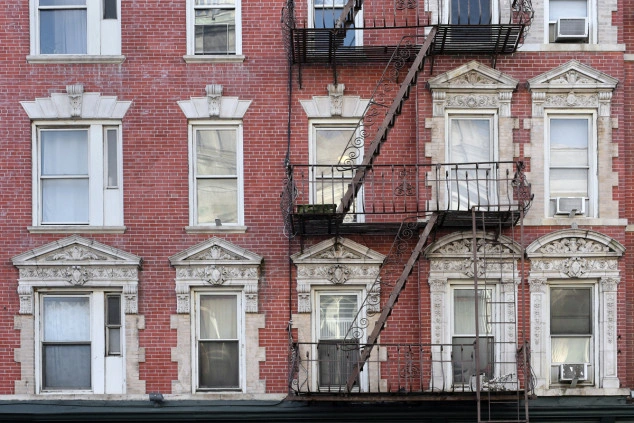
Brick facade NYC apartment buildings

If you decide to stop paying rent you risk being sued in housing court, however your defense would be that your apartment is illegally deregulated. 

iStock

My landlord has been overcharging me for my rent-stabilized apartment. How do I recover what I'm owed?

The route you take for an overcharge claim will largely depend on the time and money you have to pursue your landlord and your willingness to be sued if you stop paying rent. Legal representation is crucial because the rent-stabilization rules have changed over time and you need to know the history of the laws to accurately determine an illegal deregulation. 

“It can be very complex in terms of doing the math but also investigating whether rent increases in prior years are legitimate,” said Altagracia Pierre-Outerbridge, attorney and founder of Outerbridge Law representing residential tenants, condo owners, and landlords. 

Figuring out your rent history 

Requesting your rent history from the New York State Division of Housing and Community Renewal is the first step in this process. “It’s the Rosetta Stone of administrative records for a rent-stabilized unit,” Pierre-Outerbridge said. 

The document has details about the lease terms, tenants, and legal regulated rents for the apartment going back to the 1980s. This is information provided by the landlord and it’s not audited or checked by any government agency. 

Each year, rent increases for regulated apartments are set by the Rent Guidelines Board—somewhere in the range of zero to 5 percent. 

“A rent history will typically look like yearly or two yearly increases in that percentage range,” Pierre-Outerbridge said. However, an increase of more than 5 percent might be legal and the document should show the reason for the higher rent. 

For example, if a tenant moved out, the landlord used to be able to raise the rent by 20 percent.

“This was eliminated in 2019 with the passage of rent reforms in the Housing Stability and Tenant Protection Act but would have been allowed prior to that,” Pierre-Outerbridge said. In addition, substantial upgrades to the building enable a landlord to increase the rent by a proportion of the amount spent, divided among the units, and spread out over time. 

Filing an overcharge claim

There is currently a six-year statute of limitations for overcharge claims. “This means you won’t get compensation for overcharged rent paid more than six years ago,” Pierre-Outerbridge said. However, in terms of evidence of an overcharge, you can use rent history going back to June 14th, 2015, which is four years before the Housing Stability and Tenant Protection Act went into effect. 

There is what’s called a presumption of willfulness for overcharges within this time period. “This means it is viewed as deliberate and as a result, landlords are subject to treble damages,” Pierre-Outerbridge said. (However, landlords who mistakenly deregulated apartments while receiving J-51 tax benefits are an exception.) 

If you can show the rent history is a pure fiction and is intended as part of a fraudulent scheme, then you can use evidence going back farther than 2015 to prove your case.

However, Pierre-Outerbridge cautioned, “a fraudulent scheme is very hard to show.” If successful, your new rent would be set using what’s called the default formula: The lowest rent in your building for a similar-sized apartment paid as of June 2015. 

With any overcharge case, the aim is to figure out what the rent should be in comparison to what you’ve paid. The overcharge is the difference between these numbers. Typically, this involves looking back at the rent as far as the rules allow and establishing what the rent would be if rent increases had been applied accurately under the law.

Litigation routes

Overcharge cases can be fought in State Supreme court, housing court and through DHCR. Picking the route you take is a strategic determination you’d make in consultation with an attorney. “A major factor is whether you want to stop paying your rent versus being willing to be sued in housing court,” Pierre-Outerbridge said.

Taking your case to State Supreme court is expensive and requires a lot of time and effort to ensure you have the necessary evidence. 

“It’s usually not worth it unless you are part of a class action,” Pierre-Outerbridge said. Alternatively, you can stop paying your rent and risk being sued in housing court by your landlord for non-payment. Your defense would be that your apartment is illegally deregulated. 

The third option is an administrative complaint with DHCR.

“This is slow and can take years but it is much cheaper because it is all by mail,” Pierre-Outerbridge said. A successful DHCR proceeding will end with an enforceable judgement and can also award attorneys fees. If found to be at fault, the landlord is also liable for treble damages. 


Altagracia Pierre-Outerbridge, Esq. is the owner of Outerbridge Law P.C, focusing primarily on tenant representation. The firm represents all sides in landlord-tenant litigation and transactional matters such as month-to-month holdovers, nuisance cases, licensee cases, harassment claims, repair cases, tenant buyouts, succession claims, DHCR overcharges and rent reductions and more. Pierre-Outerbridge has 15 years of experience litigating in Supreme, DHCR, and Housing Court. To submit a question for this column, click here. To contact Outerbridge Law P.C. directly, call 212-364-5612 or 877-OUTERBRIDGE, or schedule a meeting today.

You Might Also Like
Apartment buildings West Village, NYC
Roommates + Landlords Ask Altagracia: How do I protect my security deposit and avoid owing extra rent when my lease ends?
NYC apartment buildings on Bleecker Street in Manhattan
Affordable Housing Ask Altagracia: Can my roommate and I challenge a non-renewal notice under Good Cause eviction law?
Fire escapes on NYC apartment buildings
Roommates + Landlords Ask Altagracia: Can I break my lease because the building doesn't feel safe?


Brick Underground articles occasionally include the expertise of, or information about, advertising partners when relevant to the story. We will never promote an advertiser's product without making the relationship clear to our readers.

topics:

Ask Altagracia lawsuits rent regulation
SHARE
TWEET
BRICK’S PICKS
Apartment buildings in Lower Manhattan
Which repairs are co-op and condo owners responsible for? What do buildings take care of?
one-bedroom unit at 365 West 23rd St.
A pied-à-terre purchase checklist: What to consider if you're buying a part-time place in NYC
A kitchen with stainless steel appliances and counter tops and wood floor
11 things NYC landlords are required to provide, and 11 they’re not that might surprise you
716 Broadway, #2
What you need to know about buying a NYC condo or co-op with direct elevator access
Towers on Billionaire's Row
I received a pied-à-terre tax notice for my primary residence in NYC. How do I fight this?
Manhattan apartment towers
‘Central air or bust’: Many NYC luxury buyers will not consider listings without central AC
Follow Brick on Instagram
@brickunderground | #brickunderground
Brick UndergroundBRICK UNDERGROUNDREAL LIFE. REAL ESTATE. REAL NEW YORK.
Social Links Footer
  • Facebook
  • Twitter
  • Instagram
  • Search
Main menu footer
  • Buy
    • The Market
    • Investing
    • New Construction + Condos
    • Affordable Housing
    • Co-ops
    • Negotiating + Financing
    • How to Buy in NYC Guide
  • Rent
    • Affordable Housing
    • Roommates + Landlords
    • The Market
    • The Search
    • How to Rent in NYC Guide
  • Sell
    • Staging + Open Houses
    • Negotiations + Closings
    • Getting Ready
    • How to Sell in NYC Guide
  • Live
    • Neighbors
    • Kids + Pets
    • Neighborhood Intel
    • Products + Test-drives
    • Troubleshooting
  • Improve
    • Small Spaces
    • Small Projects + DIY
    • Renovations
    • Design + Architecture
    • Products + Services
    • How to Renovate in NYC Guide

Get more news you can actually use...

Email address

Delivered to your inbox weekly - for free.

*By signing up you agree to receive occasional emails on behalf of our sponsors

Footer Menu
  • About Us
  • Advertise

Copyright 2009-2024 by BND Ventures Inc | Privacy Policy | Terms of Service | Ad Choices | Login | Powered by Mortar CMS, the AI CMS