




What is a 'classic six' apartment and why is it so desirable?
- The six rooms include a living room, dining room, kitchen, two full bedrooms, and a former live-in staff room
- Classic six apartments are prized for prewar features like oak floors, thick walls, solid-core doors, and large rooms


A wood-burning fireplace is a traditional feature of classic six apartments like this two-bedroom, three-bath co-op at 14 East 75th St. in Lenox Hill that's asking $4.25 million.
If you’re drawn to New York City’s older prewar buildings, you’re probably a fan of the classic six. These apartments boast high ceilings and decorative details like plaster moldings—and, as the name suggests, a layout with six separate rooms.
A classic six also typically includes other coveted features, such as large rooms, wood floors, solid-core doors, and fireplaces. And they can offer the flexibility to accommodate a home office or expand a smaller kitchen, which is hard to find in many new developments or refurbished buildings.
These types of apartments are mostly found on Manhattan’s Upper East and Upper West sides, with a smattering in Brooklyn.
In this Buy Curious series, Marcy Sigler, a broker at Compass, explained the benefits and drawbacks of buying—and living in—a classic six.
[Editor's note: An earlier version of this post was published in October 2024. We are presenting it with updated information for December 2025.]
The question:
I’ve been looking at apartment listings, and I keep running into the phrase “classic six” (and "classic five," "classic seven," and so on). What exactly does that mean, and why is it desirable? Will I pay more to live in one? Where are they located?
The reality:
This term refers to a prewar apartment with six rooms, generally including the kitchen and bedrooms, and excluding the bathrooms, pantries, and entrance galleries, Sigler explained.
A classic six has a living room, a formal dining room with a window, a separate kitchen (usually with a window), two full bedrooms, and what was previously a live-in staff room—traditionally located off the kitchen with its own full bathroom or half-bath.

A classic five lacks the staff room, while a classic seven has an extra bedroom, and the rare classic eight has an additional small room.
If you're not seeing enough apartments for sale in your price range or target neighborhood—and/or you'd like to avoid a bidding war—consider expanding your search to "off-market" listings. NYC real estate brokerage The Agency, a Brick Underground partner, uses technology to mine public records and identify owners who may be ready to sell, meaning you can meet and deal with owners before their homes hit the market. Click here to learn more.
What are classic sixes like?
These apartments are known for quintessential prewar features, such as oak floors, thick walls, solid-core doors, generous room proportions, a dining room, and the ultimate status symbol—a working wood-burning fireplace (though in updated iterations, the fireplace might be electric or decorative).
Where can you find a classic six?
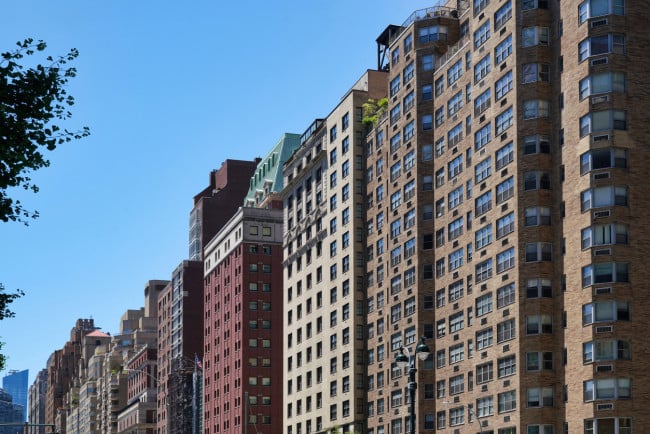
You'll often find classic apartments in co-op buildings that date back to the 1920s through 1940, primarily on the Upper East Side and Upper West Side, according to Sigler.
That said, developers of new construction are incorporating some of classic six details into projects.
“In recent years, developers of condo buildings like 520 Park Ave. in Lenox Hill and 220 Central Park South in Midtown have co-opted the classic layout, combining those old-school embellishments with modern extras like garages, gyms, pools, and screening rooms,” she said.
The same applies to developments in Brooklyn, notably Front & York in DUMBO and 11 Hoyt in Downtown Brooklyn.
“So if you're enamored with the prewar style, you don’t have to confine your search to decades-old buildings—or pass a co-op board,” she said.
How many classic sixes are currently on the market?
A StreetEasy keyword for classic six apartments turned up listings primarily in Uptown Manhattan: 11 on the Upper East Side and 14 on the Upper West Side, with prices ranging from $1.15 million to $4.5 million.
Why would someone want to buy a classic six?
The pros of purchasing a classic six include high ceilings of at least nine feet and prewar details such as plaster moldings and cornices.
Some people also appreciate that classic sixes have defined living areas. The apartment is typically divided into three zones—public (living room, dining room, library), private (bedrooms), and so-called staff quarters (including the kitchen). Hallways usually separate these areas and help define the zones.
What are the disadvantages of buying a classic six?
A classic six can make you feel somewhat boxed in, so many New Yorkers prefer open plans with fewer walls and living spaces that feel more expansive.
“The lack of an open layout could be a downside if you have small children you want to keep an eye on,” Sigler said. However, class six apartments are often renovated to create a great room with a combined living and dining area.
Finally, while a so-called staff room may have served a useful purpose when the apartment was built, it is now likely marketed as a home office or a guest bedroom.
Want to see if classic six-style living appeals to you? Check out these apartments currently on the market.

910 Park Ave., #4N, Upper East Side
Features of this newly renovated unit include parquet floors, marble baths, central air with multiple zones, a separate laundry area with a washer and dryer, abundant storage space, grand foyer, and sunlit living room with decorative fireplace. The windowed chef's kitchen is open to the formal dining room and has high-end appliances, materials, and a large pantry. Both bedrooms have en suite baths, including the smaller one; the staff room is currently being used an a home office, with an adjoining full bath. The $3.495 million listing in a full-service 1925 building with 22 units on 14 stories. Maintenance is $5,394 per month.

315 West 106th St., #11C, Upper West Side
On the market for $2.5 million and with $3,453 in monthly maintenance, this renovated, high-floor classic six co-op features Hudson River views, high ceilings, and prewar details throughout. The living room and adjacent dining area are framed by French doors; the windowed chef's kitchen has stone countertops and stainless steel appliances. The corner primary ensuite bedroom includes three exposures. With 49 units across 15 stories, the 1925 building offers a 24/7 attended lobby, live-in super, bike and storage rooms, central laundry, and furnished roof deck.

365 West 20th St., #6DE, Chelsea
This light-filled classic six, created by combining two apartments, includes a foyer, living room with a wet bar and kitchenette, and separate kitchen and dining area. The primary suite occupies its own private wing, featuring an expansive layout, two walk-in closets, and windowed bathroom. It is listed for $1.995 million, with monthly maintenance of $4,987. Built in 1928, the 16-story Chelsea Court Towers has 74 units, a part-time doorman, live-in superintendent, central laundry room, private storage, roof deck with panoramic Hudson River and city views, and bicycle room.

2190 East 90th St., #2D, Carnegie Hill
Recently renovated with prewar details and luxury finishes, this classic six is on the market for $1.65 million. It comprises a semi-private landing (shared with one other apartment) leading to a foyer with a coat closet and gallery; a spacious living room overlooking a courtyard; a large formal dining room connecting to a butler’s pantry; and a high-end kitchen with extensive storage and high-end appliances. The corner primary suite includes an en-suite bath; the former staff room is used as a home office; and the service entrance handles mail, deliveries, and refuse. Monthly maintenance is $4,494. The 14-story, 50-unit building, dating to 1927, has a full-time doorman, live-in super, bike storage, and available storage.

14 East 75th St., #2/3C, Lenox Hill
This duplex classic six, created by combining two units, is accessed by a semi-private elevator landing on both floors. A grand foyer leads into a double-height living room with a leaded-glass window and wood-burning fireplace and an adjoining dining room. The updated kitchen includes a breakfast room with Miele washer/dryer. A staff bedroom with an en-suite bath completes the main floor. Upstairs, a home office overlooks the living room. The primary ensuite bedroom has a dressing room and custom closets; a second bedroom also has an ensuite bath. It is located in a 12-story, 61-unit, circa 1929 co-op across from the Whitney Museum and has a 24-hour doorman, resident manager, newly updated gym, private storage, and bike storage. The asking price is $4.5 million, with $3,545 in monthly maintenance.
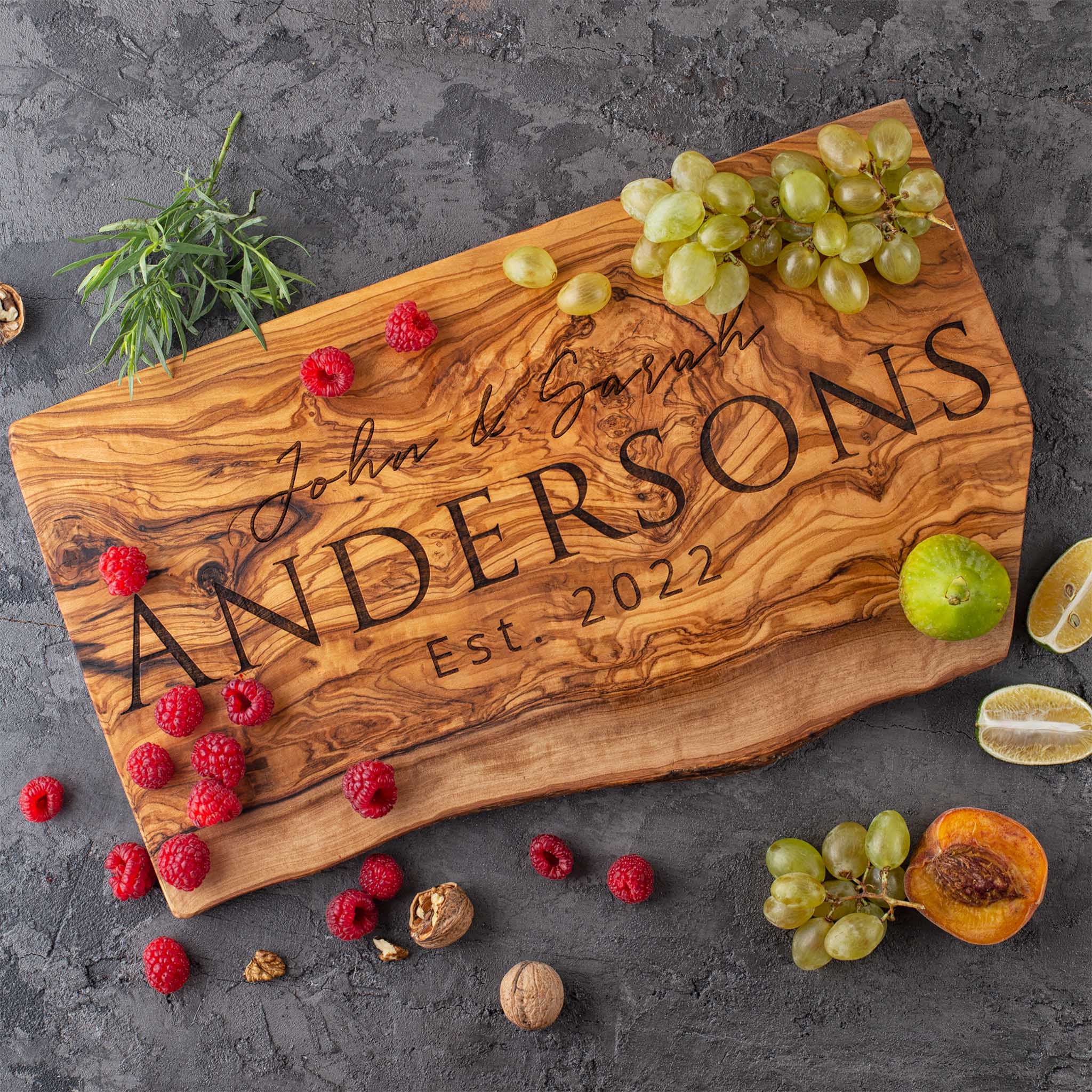 And if someone you know just closed on their dream classic six, consider marking the event by getting them one of the personalized gifts for new houses from Forest Decor!
Previous versions of this article included reporting and writing by Leah Hochbaum Rosner.
You Might Also Like