





7 ways to negotiate a smaller rent increase at lease renewal time
- Smaller landlords may be more flexible than larger, corporate-run buildings
- Gathering information on what your neighbors pay in rent can help give you an edge
- Ask for upgrades and necessary repairs if you can't push back against a rent increase

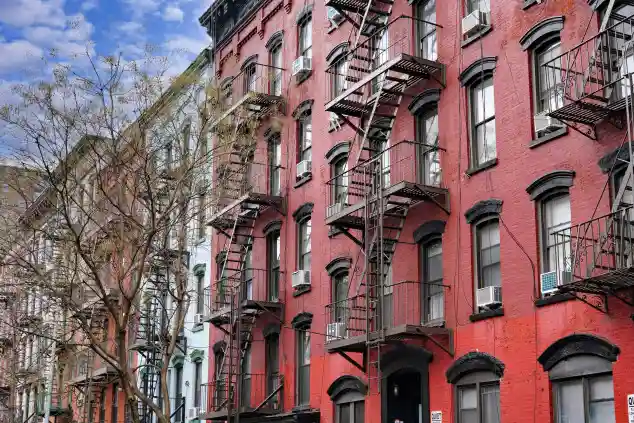
The trick to negotiating a rent increase is not to respond emotionally—and to weigh whether staying is ultimately cheaper than moving out.
iStock
If your lease is up for renewal, your landlord has likely told you that your rent is going up. In New York City's highly competitive rental market, landlords typically try to bring the rent for current tenants in line with what new ones would pay, especially if the market has shifted since you last signed a lease.
The good news: New York's Good Cause eviction law gives many market-rate renters the right to challenge a rent increase above the local rent standard of 5 percent plus the area's Consumer Price Index, capped at 10 percent. For 2026, that works out to be to 8.38 percent.
And NYC's broker fee law—which requires landlords to pay the brokers they hire—may make some owners more open to favorable renewal terms. (More on that in "FARE Act takes effect.")
Even without those protections, staying polite and pointing to your record as a reliable tenant can go a long way, though don't expect a corporate-managed building to budge on a rent increase.
"Words matter, so using the right language and mindset is critical," said Jules Garcia, a broker at Coldwell Banker Warburg. "Thinking mainly in terms of 'leverage' could influence a mindset of a battle versus a constructive conversation, making any negotiation not as fruitful."
[Editor's note: A previous version of this article was published in March 2025. We are presenting it with updated information for September 2026.]
What's more, before you push back on an increase, it's worth weighing the real cost of moving—including hiring movers, a new security deposit, and potential broker's fee—against staying put, especially if you plan to be in NYC a while and like where you live.
And if you're tempted to keep paying your old rent without signing a new lease, so long as the landlord accepts your payments, this can turn you into a more flexible month-to-month tenant, but you'll lose lease protections and could face eviction on short notice if the landlord wants you out.
Here's what to know about negotiating a rent increase at lease renewal time.
1. Understand how market-rate units work
As the name suggests, market-rate tenants are subject to supply-and-demand forces. When it's time to renew, landlords can generally raise rents within the bounds of what renters are willing to pay, with the exception of buildings covered by Good Cause eviction law that now caps rent increases for some market-rate apartments at 8.38 percent. Your landlord is supposed to inform you if your building is covered by Good Cause, but you can check for yourself.
Demand also drives the rent increase. When more renters are competing for units, landlords are less inclined to offer good deals on renewals. In slower markets, they're more motivated to limit increases—or even provide incentives to renew.
Rent-stabilized apartments work differently: The Rent Guidelines Board sets limits on rent increases, and in a historic vote this summer, the board froze rent increases for both one- and two-year leases commencing October 1st, 2026, through September 30th, 2027. (Just be aware there is a pending lawsuit to try to reverse that decision.)
Bottom line for market-rate tenants: While owners may consider a reasonable offer from a current, reliable tenant, they also know they may be able to rent the unit to an incoming tenant for more.

Brick Underground's
Gross Rent Calculator
What's this?
Some New York City landlords offer a free month (or more) at the beginning or end of a lease. The advertised rent is the net effective rent. The net effective rent is less than the amount you will actually have to pay --- known as your gross rent --- during your non-free months.
Brick Underground's Gross Rent Calculator enables you to easily calculate your gross rent, make quick apples-to-apples comparisons between apartments and avoid expensive surprises. All you'll need to figure out your gross rent is 1) the net effective rent, 2) the length of your lease, and 3) how many free months your landlord is offering. [Hint: Bookmark this page for easy reference!]
To learn more about net effective versus gross rents, read What does 'net effective rent' mean?.
If the landlord is offering partial months free, enter it with a decimal point. For example, 6 weeks free rent should be entered as 1.5 months.

2. Highlight your history
Still, many landlords prefer keeping a tenant in place over finding a new one, since turnover can be costly—particularly if renovations or updates are needed before relisting.
"Some landlords do not want to deal with a lost month of vacancy plus doing any painting, cleaning, and repairs," said Scotty Elyanow, a broker at Compass.
Ashley Reidy Quinn, an agent at Coldwell Banker Warburg, has seen this play out directly. "Landlords value a great, hassle-free tenant—someone who consistently pays rent on time, follows all building rules, and takes care of the home as if it were their own," she said. In these cases, she said they are much more willing to be flexible during a lease renegotiation, offering favorable and, in some cases, below-market increases and/or terms.
How much that works in your favor depends on the type of landlord you have. Some larger buildings and management companies use software that sets rental rates according to real-time market conditions, seasonal trends, competitor prices, and other metrics—leaving less room for a personal appeal.
Those analytics programs can be expensive for smaller landlords, and a vacancy hurts them more, so they tend to rely more on a gut check. Even more so if you rent an apartment in a private house, where the owner might prioritize having a respectful, quiet tenant who pays the rent on time.
Either way, it's worth making your case. Elyanow suggested writing a friendly letter to your managing agent or landlord explaining your spotless track record. You might even appeal to their "better angels," he said, by describing how much you love your apartment and building and how long you'd like to stay.
3. Ask politely—and early
Be respectful when approaching your lease renewal and negotiating against an increase or for a reduction. And don't wait until the last minute.
Tenant attorney Sam Himmelstein, a former partner at Himmelstein Gribben & Joseph (now retired), advised tenants to say, "I'd like to renew at the same rent," and see how the landlord responds.
Some landlords may not budge, but many will, Elyanow said. "Keep trying to negotiate with the landlord and know when your deadline is to respond to any final renewal."
Garcia encouraged being proactive, bringing up the lease renewal before the landlord does. "You don't have to share all of your plans just yet. You are just starting the conversation to determine the odds of a lower rent increase. It's better to know early so you can start your search for a new place and plan ahead."
Reidy Quinn recommended reaching out about two months before a 12-month lease expires—early enough to discuss the apartment, renewal terms, and any other details, and make a gesture that shows the tenant respects everyone's time.
"Ultimately, an honest and transparent conversation is always worthwhile between a landlord and tenant," she said. "Tone matters, and the goal should never be to come across as threatening or pushy, but to try to make sure everyone understands the other’s perspective."
4. Do your research
If you're presented with a rent increase, it pays to check what similar-sized apartments are renting for in the neighborhood on real estate listing and brokerage sites. Back your argument with real numbers.
"If the current market rate for a similar apartment is much higher and your increase is not at that rate, don't get greedy," Garcia said. He also advised against using a common (though often debunked) approach to "splitting the difference" in calculating the lower rent. "Use the data to determine where your negotiability exists, if any."
Reidy Quinn suggested going a step further: "I think tenants should call landlords to thank them and tell them they’d like to stay in the home," she said. Then present the landlord with the actual costs of putting the unit back on the market, including professional cleaning and painting, new application fees, and potentially a landlord-paid broker's fee—all of which can add up quickly and may exceed what the landlord initially anticipated, she noted.
If you have hit a rough patch, according to Catharine Grad, a tenant attorney at Himmelstein Gribben & Joseph, telling your landlord that you've lost your job isn't the best strategy. Think instead about how you can make the best case for yourself. "Tenants need to figure out what they have to give," she said. That might mean offering to keep paying at the same rate, but not more.
5. Talk to your neighbors
Snoop around in your building to see what other renters have done. Most people are happy to share success stories and "best practices."
Case in point: Gramercy renter Jennifer C. learned that neighbors in a similar-sized apartment were offered an incentive for starting renewal negotiations early, and she brought it up with her landlord.
"We were not offered that same deal, so I leveraged it," she said. The end result? She negotiated her rent increase down by nearly 50 percent.
This type of bargaining can also occasionally work for rent-stabilized apartments. One renter said he saw a comparable apartment in his building going for hundreds of dollars less than his rent-stabilized place. He told the landlord he would apply for the other apartment to save money.
"It went back and forth, and eventually, they conceded and gave me the same lower rate," he said.
Looking for a more affordable rental? Or maybe a landlord who is flexible about guarantors, pets, or "flexing" a space with temporary walls? Put your search into the capable hands of The Agency, a tech-savvy real estate brokerage founded by a pair of Yale grads in response to the frustrating apartment-search experiences of classmates and colleagues. The Agency will charge a broker's fee of 10 percent of a year's rent on open listings instead of the usual 12 to 15 percent if you sign up here. Bonus: The agents at The Agency are a delight to deal with.
6. Make the case for an upgrade—or repairs
In a slow market, if your rent is going up, you might be able to ask the landlord to make a significant replacement or repair. One renter Brick spoke to said he worked with a landlord who didn't raise the rent the first year but planned to increase it by $150 per month the next. The renter negotiated the hike down to $100 and asked for (and got) a bathroom renovation.
"We were willing to pay more to have something a little nicer," he said.
What if you have already been asking for repairs to your apartment, to no avail? Absolutely mention that history at lease renewal. While a laundry list of necessary improvements could make for a tense conversation, you can tactfully remind management about ongoing issues—for example, the elevator renovation that took 12 weeks instead of the scheduled four.
Read "11 things NYC landlords are required to provide, and 11 they’re not that might surprise you" for possible leverage.
It's also worth considering what improvements the apartment needs for the landlord to secure a higher rent rate, and how long that would take. "Ask yourself how you can make this a win-win situation for the landlord," Garcia said. "This is a business, and many renters forget that appealing to an owner's kindness doesn't help them pay their bills."
Other factors, according to Garcia, include whether the building is in good shape or has a lot of unresolved/underlying issues you are willing to put up with, but someone else may not be.
Reidy Quinn suggested sweetening the deal more directly, such as by offering to waive the landlord's obligation to repaint the apartment every three years (costing potentially several thousand dollars). In a condo or co-op sublet, you could offer to cover any lease renewal fees charged by the building's management company or board. "Any opportunity to help or encourage the landlord to save money... can help sway the overall renewal package in your favor," she said.
7. Ask for a longer lease
Locking into a longer lease can save you from negotiating all over again 12 months later. Consider this route if you like your apartment and plan to stay in your neighborhood. Not all landlords will be open to giving you a two-year lease, however, or keeping the rent the same for the duration.
Reidy Quinn explained that landlords like 12-month leases, at least to start, as it gives them a chance to test the waters and decide whether they truly want to keep the tenant longer. "If, after a year, things have gone smoothly, I see a lot of landlords open up to two-year renewal terms," she said.
Per Garcia, however, "A larger landlord will typically still factor a step-up for the second year or bake in a slightly larger increase because you are renewing for two years, while a smaller landlord will likely skip the step-up."
Another option—if you know you'll only need to stay, say, 18 months past your renewal—is to negotiate a specific end date. In that case, Garcia suggested asking for a lease term that sunsets when it's easier for the landlord to secure a higher rent, like in spring or summer instead of winter. Timing is everything.
—Earlier versions of this article contained reporting and writing by Lucy Cohen Blatter, Donna Airoldi, Nikki Mascali, and Emily Myers.


