



Ask Altagracia: My rental building is going condo and the renovation is making my life miserable. What are my rights?
- Forming a tenant association can help amplify complaints and achieve a solution
- Put your demands in writing to make the landlord aware of the nuisances
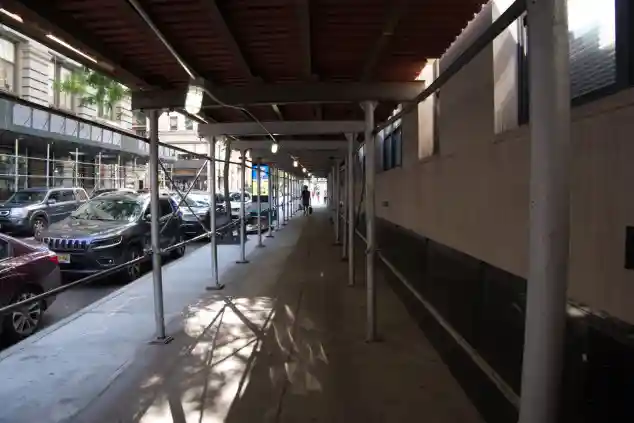
All tenants in New York state are protected by the warranty of habitability, which means that you are entitled to a safe and liveable home.
iStock
My landlord is converting our rental building into condos, and the construction is causing major quality-of-life issues for me and my neighbors who remain in the building. The hot water goes on and off all the time, there’s dust in the air, constant noise, and the elevators are often out of service. What are our rights as tenants?
When a rental building goes condo, it often entails significant construction, such as combining units. “Your landlord may say these kinds of disturbances are par for the course with renovation projects,” said Altagracia Pierre-Outerbridge, attorney and founder of Outerbridge Law representing residential tenants, condo owners, and landlords. “But don’t let them convince you that your concerns are overblown.”
All tenants in New York state are protected by the warranty of habitability, which means that you are entitled to a safe and liveable home. Recently, tenants gained additional defenses against violations with Mayor Zohran Mamdani’s revitalization of the Mayor’s Office to Protect Tenants, which helps triage and coordinate responses to persistent issues. Mamdani has also proposed solutions to housing challenges that surfaced during the “Rental Ripoff” hearings.
“Tenants are in a much stronger position than they once were to advocate for their complaints,” Pierre-Outerbridge said. “But getting your landlord to take action, and immediate action at that, is another thing.”
Pierre-Outerbridge recommends organizing with fellow tenants who share your complaints and forming a tenant association. “Landlords are quick to shut down one tenant, but if all of your neighbors are bringing the complaint, they’ll feel more pressured to listen.”
A tenant association can retain a lawyer to help them determine how to confront their landlord. The first step is usually to send your landlord a letter detailing the complaints. “A lawyer can instruct you on what to include in the letter,” Pierre-Outerbridge said. “You’ll need to be clear, and detail everything, because you are creating a legal record to show that you made the landlord aware of the nuisances. And you have to let them know that you’ll initiate litigation if they don’t comply.”
Since the renovations seem to be impacting your quality of life on a day-to-day basis, there are more immediate actions you can take. You can report them online or by calling 311, which may dispatch an inspector from the Department of Buildings or the Department of Housing Preservation & Development.
You might be wondering if you can withhold rent to try to force your landlord to address the disruptive conditions. It’s worth considering the impact of that decision on your rental history: Some landlords check a tenants screening bureau, known colloquially as the tenant blacklist, and you could end up on that list as a result of withholding rent and being taken to court.
“Legally you can’t be denied an apartment solely if your name were to end up in the database,” Pierre-Outerbridge said. “But that’s not to say landlords don’t still refer to them. And these databases don’t indicate which party turned out to be in the right in the eyes of the law; it just shows that you and your landlord had a legal disagreement.”
Ultimately, a lawyer may be able to help you secure a rental abatement, but the exact amount will depend on a number of factors. “We’ll investigate whether the landlord has filed a tenant protection plan, which is required when buildings undergo construction,” Pierre-Outerbridge said. “We’ll review whether the permits and applications have been properly filed, and if the landlord may be violating the terms.”
If all else fails, Pierre-Outerbridge suggests filing a Housing Part action, a type of housing court lawsuit against a landlord, also known as a HP action. “This is a significant escalation tactic,” Pierre-Outerbridge said. “When successful, an HP action forces a landlord to address the problems, or else they’ll be on the hook to pay fines, which can incur daily.”
The quality of life issues in your building may be the last of your landlord’s concerns, but there are ways to get your landlord to respond. Pierre-Outerbridge encourages tenants to organize and make their voices heard.
“Be loud, don’t stop voicing your concerns to your landlord, even if they don’t respond to your letters or make flimsy promises to finish work soon,” Pierre-Outerbridge said. “Use all of the tools at your disposal to make sure your landlord knows just how significant these issues are and involve city services to increase your leverage.”
Altagracia Pierre-Outerbridge, Esq. is the owner of Outerbridge Law P.C, focusing primarily on tenant representation. The firm represents all sides in landlord-tenant litigation and transactional matters such as month-to-month holdovers, nuisance cases, licensee cases, harassment claims, repair cases, tenant buyouts, succession claims, DHCR overcharges and rent reductions and more. Pierre-Outerbridge has 15 years of experience litigating in Supreme, DHCR, and Housing Court. To submit a question for this column, click here. To contact Outerbridge Law P.C. directly, call 212-364-5612 or 877-OUTERBRIDGE, or schedule a meeting today.
You Might Also Like