




Mamdani’s ‘Rental Ripoff’ report is out. What happens next?
- Top complaints from 2,400 NYC renters included pests, mold, and heat issues
- Proposals include limiting landlord credit checks and smoother HPD inspections
Advocates said the Rental Ripoff report echoed complaints NYC tenants have been raising for years.
iStock
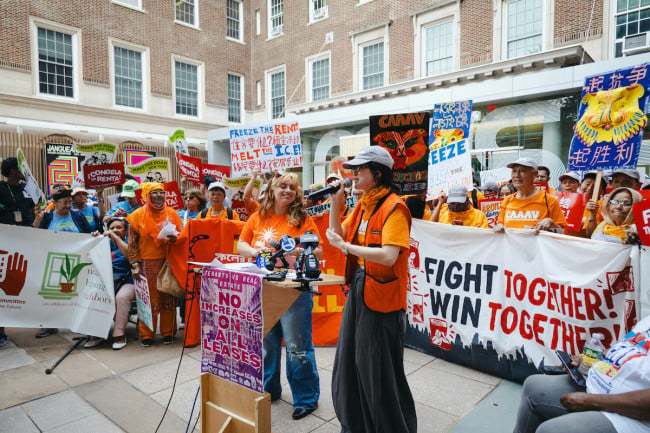
This spring, Mayor Zohran Mamdani’s administration gave thousands of New York City renters the opportunity to vent publicly about their landlords at hearings held across the city.
Now, the results of those “Rental Ripoff" hearings are in. The Mayor’s Office to Protect Tenants put out a 67-page report on Thursday summarizing the hearings and proposing 23 actions the administration will take to give renters a break.
The proposals range from small changes, like having the NYC Department of Housing Preservation & Development inspectors text tenants about missed inspections to larger shifts, such as eliminating credit checks for apartments and legally recognizing tenant unions.
The report’s release comes on the heels of a Rent Guidelines Board vote to freeze the rent for tenants in rent-stabilized units across the city, fulfilling a campaign promise from Mamdani to appoint members who would freeze the rent.
“From requiring disclosure of AI-altered listings to bringing our code enforcement systems into the 21st century and finally recognizing tenant unions, we are making it clear that every New Yorker deserves a safe home—and every landlord who refuses to provide one will be held accountable," Mamdani said in a statement.

What ‘rip-offs’ came up the most?
Some of the most frequent conditions mentioned in in-person and online testimony were pests, mold, and kitchen concerns, the report said.
According to the report, 311 data shows tenant complaints about a lack of heat and hot water are the most common, followed by unhygienic or dangerous conditions like mold, trash, and pests. The city’s Tenant Hotline launched in 2020 receives most of its calls about landlord harassment or a failure to make repairs.
Barika Williams, executive director of the Association for Neighborhood and Housing Development, said the report’s findings line up what organizers have heard tenants saying for years now.
"The Mamdani administration’s Rental Ripoff report findings validate what ANHD’s organizers and tenants have been raising for years about landlord abuses such as lack of heat, persistent mold and pests, neglected or poor-quality repairs, and concerns about increases in immigration-related harassment,” Williams said in a statement.
Allia Mohamed, co-founder and CEO of openigloo, an apartment listing and review platform, said the report’s findings are consistent with the reviews on her site.
“The most common complaints renters report continue to be heat and hot water, pests, and mold. Increasingly, though, renters are frustrated not just by the underlying issues, but by how long it takes to get inspections, enforcement, and meaningful follow-through from both the city and landlords,” Mohamed said in an email.
Renters also complain that they are on the hook for unexpectedly high electricity bills in inefficient buildings, she said. The report proposed requiring landlords to disclose utility costs when renters sign a lease.
Which changes are happening first?
One of the swiftest changes outlined in the report is an adjustment to how the city investigates heat complaints, which will go into effect in October, when the heat season begins. Currently, multiple heat complaints from one building are treated as duplicates, which can mean issues that vary from unit to unit go unaddressed. According to the report, HPD will change their approach to treat heat complaints separately.
Similarly, imposing stronger penalties for landlords with repeat violations or adding a fee for falsely certifying that a repair was done, allowing renters to schedule inspections with HPD directly, providing more tenant education and resources for tenant organization could happen more quickly, since they depend on city agencies’ changing their enforcement rules.
What might take longer?
Some of the report’s most ambitious fixes to tenant concerns—such as requiring landlords to disclose when listing photos are generated by artificial intelligence—will require new laws to be passed. That includes proposing legislation that would limit landlords to requiring either a credit check or an annual salary equivalent to 40 times the monthly rent, but not both. The report also floats the idea that landlords or brokers would be on the hook to pay for the credit check.
Openigloo’s Mohamed called the proposal to get rid of credit check requirements one of the report’s most significant new ideas.
“For many renters, poor credit—or simply a limited credit history—is one of the biggest barriers to securing housing, even when they have stable income or a strong record of paying rent. It often forces people to rely on guarantors they may not have,” she said.
Darius Khalil Gordon, executive director of the tenant rights organization Met Council on Housing, praised the administration’s proposals for launching an elevator pilot program to make older buildings more accessible and making it easier for tenants to find out who owns their buildings, among other changes. However, Gordon said in a statement that the report is only “the beginning.”
“Many of its most significant proposals, including legal recognition of tenant unions and broader enforcement reforms, will require thoughtful implementation and sustained collaboration with tenants to ensure they deliver real accountability and lasting change,” he said.

‘New Yorkers vs. bad landlords’
A colorful graphic on the mayor’s tenant protection office website introduces the hearings as being about “New Yorkers vs. bad landlords.” The administration’s report itself makes a point to distinguish between responsible “high road landlords” and “low-road landlords,” which it says are owners who engage in high-risk speculation or subject tenants to unsafe living conditions.
Still, landlord groups pushed back on Thursday’s report, saying that it unfairly blamed all property owners for larger issues like a lack of housing supply and financial struggles for rent-stabilized buildings.
“The mayor's report focuses on symptoms, not causes,” said James Whelan, president of the Real Estate Board of New York, in a statement. “New Yorkers are paying record-high rents because there is not enough housing, and many of the reported conditions are concentrated in heavily rent-stabilized buildings that are facing significant operational and financial challenges.”
Whelan cited a REBNY report that found a small percentage of buildings with mostly rent-stabilized units were responsible for the bulk of housing violations for immediately hazardous conditions.
Ann Korchak, board president of the Small Property Owners of New York, used even stronger language, saying the report showed that the Mamdani administration wants to “force private rent-stabilized housing into government-controlled, socialized housing.”
“The Rental Ripoff Hearings was a rigged political show designed to attack small owners while ignoring the damage being done to rent-stabilized buildings. The message is clear: the administration does not see small owners as partners,” Korchak said in a statement.
You Might Also Like