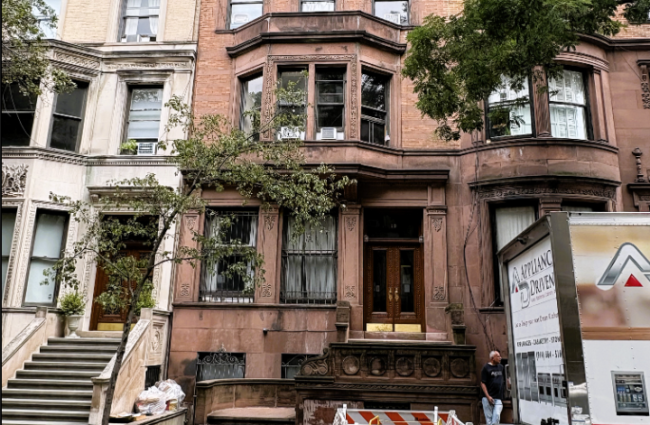





The 1871 Jacob J. Lissner House at 125 East 78th St: An early owner was well connected with Tammany Hall
- Patriarch John Brynes, the political machine’s nomination for alderman, was arrested after an attempted rape

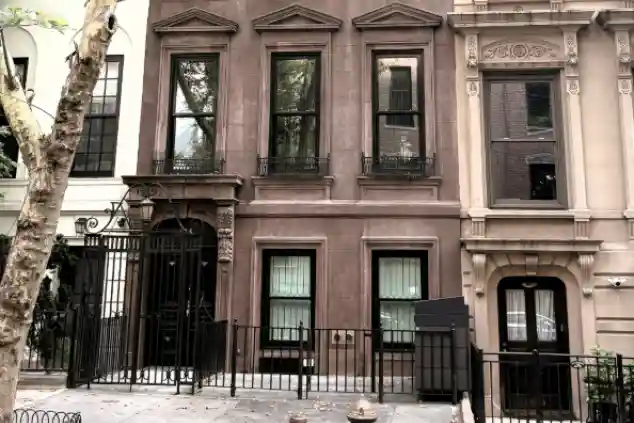
On either side of the fully arched entrances were foliate carved corbels that supported Renaissance-inspired triangular pediments.
Have you ever passed by an interesting residential building in New York City and wanted to know more about its history? In this series, Brick Underground teams up with Tom Miller, creator of Daytonian in Manhattan, a blog about Manhattan buildings and other historic architecture. Each week, we run an excerpt from the Daytonian’s archives with a link to the full article.
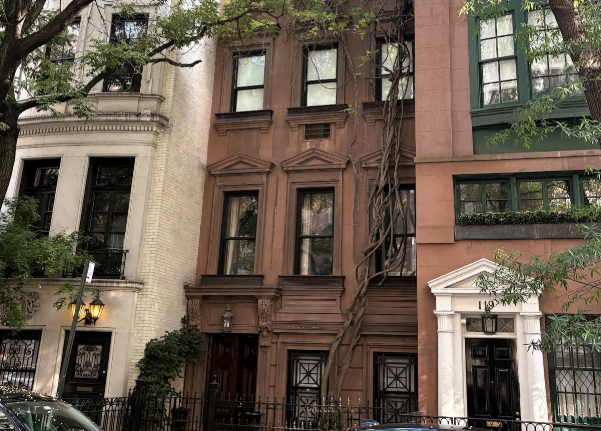
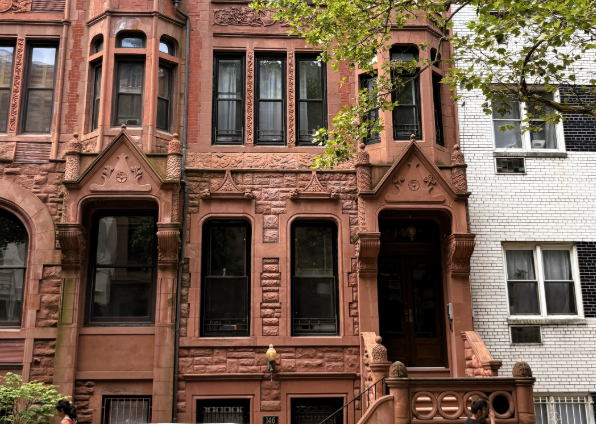
Among the early developers who began transforming the mostly rural land east of Central Park at the end of the Civil War was Nicholas McCool. Around 1871, he erected a row of three-story, brownstone-fronted homes on the north side of East 78th Street between Lexington and Fourth avenues (renamed Park Avenue in 1888).
The three-bay-wide homes were identical, their brownstone stoops protected by substantial cast iron railings and newels. On either side of the fully arched entrances were foliate carved corbels that supported Renaissance-inspired triangular pediments.
McCool sold 125 East 78th St. to real estate operator Dennis Loomie who in turn sold it to Jacob J. Lissner for $17,000. Six years after purchasing the house, he and his family moved to Madison Avenue and 99th Street.
The family of John Byrnes next moved into 125 East 78th St. Born in Dublin, Byrnes was the principal of the National Surety Company and was well-connected with Tammany Hall. He and his wife, Rose, had at least three children: Matthew, Mary Cecelia, and Thomas F.
Despite the family's affluence, John Brynes had a stain on his reputation. Three years earlier, in 1877, he was appointed the city's chief of the Supply Bureau and the following year he was Tammany Hall's nomination for alderman. The New York Times sneered at his nomination, saying that Byrnes, "is a fair sample of the class of men Tammany Hall seeks to place in power in this city." The article then revealed a shocking incident that occurred in 1869: he had "exposed his person" to a young woman "in a most indecent manner." He told her he "would like to have some pleasure with her," according to the victim. She broke free and had Byrne arrested.
On October 20th, 1897 Cecilia was married to Joseph W. Lawrence in the Church of Jean Baptiste on East 74th Street near Lexington Avenue. John Brynes's earlier indiscretion seems to have been forgotten. The social status of the two families was reflected in the reception held in the East 78th St. house.
John Brynes's ties to Tammany had been advantageous to his son, Thomas, who was appointed Police Commissioner in 1880, the year the family moved into 125 East 78th Street. But in 1895, the new president of the New York City Police Commission, Theodore Roosevelt, forced Thomas to resign as part of a corruption purge. Thomas Byrnes would later become an insurance investigator.
In 1967, 125 East 78th St. was remodeled, creating a retail space on the ground floor and one apartment each on the upper stories. A one-year renovation initiated in 2019 returned the structure to a single-family home.
For more on the property and the interesting people that lived here, check out the full article.
You Might Also Like