




New state legislation would tax 'predatory' home flippers in NYC
- The proposed bill would create a tax of 65 percent on gains from flipping a property within a year
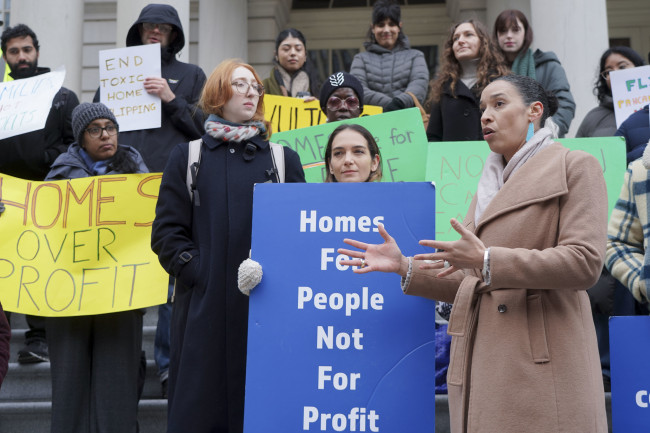
- Bill sponsor State Senator Julia Salazar called flipping 'a toxic practice' driving up prices and rents
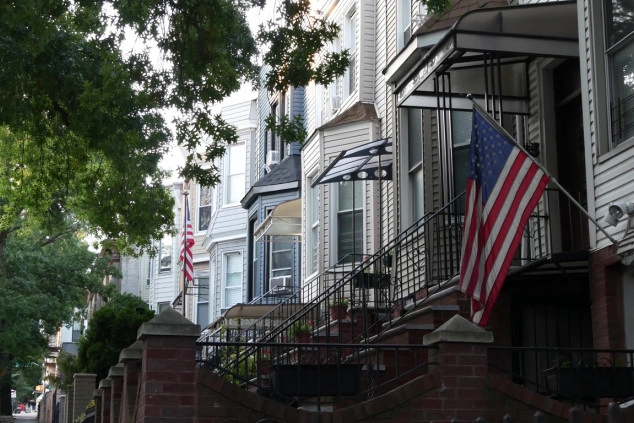
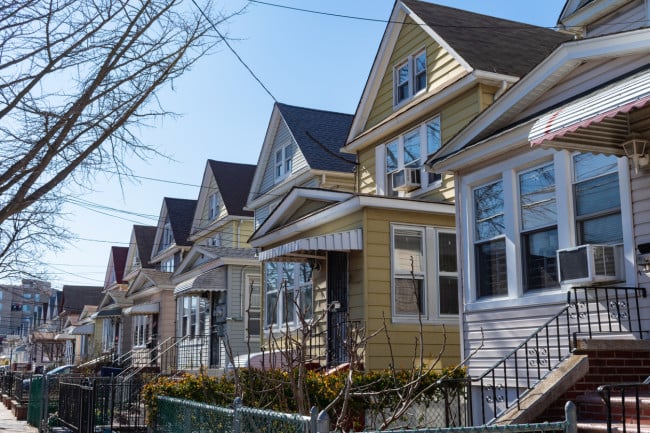
A report from the Pratt Center found that home flipping occurs at higher rates in census tracts that are majority people of color.
iStock
If you live in a rapidly gentrifying neighborhood, you may have witnessed the signs of home flipping. That house that was up for sale a year ago sports a new “for sale” sign outside, along with a fresh coat of paint, new countertops, and a much heftier price tag.
But when it’s done wrong, advocates say, this practice of buying low and selling high can have ripple effects on housing affordability in the surrounding neighborhood, hurting buyers, sellers and even renters. A bill proposed this session in Albany could make it harder for developers to profit off these transactions.
The End Predatory Home Flipping Act (S574/A342) would impose a tax on houses of one to three units when sold within two years. The bill imposes a 65 percent tax on the difference between the purchase price and the sale price when the flip occurs within one year and 50 percent if the flip occurs after one year but less than two years.
Why tax house flipping?
First, some history: The bill State Senator Julia Salazar sponsored this session isn’t totally new; the first version of this same legislation was first introduced in 2021, after East New York residents began noticing speculation in their neighborhood.
The current bill exempts some sales from the tax, including any transfers between family members, new housing, homes sold after an owner dies, owners who can prove hardship and homes with a resale price of 10 percent or less what the seller paid for the house.
It’s not guaranteed that the bill will receive a vote this legislative session, which ends June 10th, but a spokesperson for Salazar said it has a chance of making it to the floor.
“This is a toxic practice that is driving up the cost of homes and rent, particularly in neighborhoods of color like East New York and Cypress Hills,” Salazar said in a statement. “Everyday New Yorkers cannot compete with corporate investors. We must pass End Predatory Home Flipping.”
A 2024 report from the Pratt Center for Community Development, a university-based planning and advocacy organization, analyzed sales of one- to three-family homes from 2019 to 2023 and found that flipping happened most often in areas where home values are lower than NYC’s median. The Community Districts with the top 10 highest rates of flipping had more than 90 percent people of color, the report said.
A new update to the report from the Pratt Center looked at more granular data from census tracts, finding that home flipping occurs at higher rates in census tracts that are majority people of color and specifically in historically Black neighborhoods. The census tracts with the highest rates of flipping had 47 percent Black populations.
Looking at more than 10,000 home sales between 2021 and 2025, researchers found the rates of home flipping were highest in Central Brooklyn, Southeast Queens, the Northeast Bronx and the north shore of Staten Island. In Jamaica, Queens, as many as 30 percent of the one- to three-unit homes sold in those years were flips, much higher than a citywide average of 4.3 percent.
Another takeaway is that home flipping is raising home prices in the surrounding neighborhoods, according to Sylvia Morse, the director of research and policy at the Pratt Center.
“The median price of flipped homes was consistently higher each year that we looked at from 2021 to 2025 and that gap was growing,” Morse said.
By 2025, the median price of flipped homes in what the researchers consider “high-flip areas” was $825,000, or $117,000 more than non-flipped homes sold at the same time. That’s an increase from 2021, when non-flipped homes in high-flip areas sold for $75,000 less than flipped homes.
If the bill becomes law, who will it help?
Potentially buyers, renters, and sellers in NYC.
Homeowners who are in financial distress or looking to sell their homes can fall victim to lowball offers. When those homes are spruced up superficially and then resold without real upgrades, it also hurts buyers who have to deal with shoddy work, or those who are priced out of the neighborhood by inflated prices.
The Pratt Center report found flippers seek out homes with deferred maintenance or where the ownership is in dispute; they may also use predatory tactics, like aggressive soliciting or misrepresentations.
“There's a link between deed theft and house flips,” said Kevin Wolfe, deputy director of advocacy and public affairs at the Center for NYC Neighborhoods.
Bad actors that buy a property for cheap and do cosmetic renovations can also leave new buyers in the lurch as they deal with significant repairs down the line, Wolfe said.
Renters also may see impacts from home flipping. The 2024 Pratt Center report found that the eviction rate was six percent higher for flipped homes (3.36 percent) than ones that weren’t flipped. Focusing on small homes includes ones that may be exempt from the Good Cause eviction law.
“The people who suffer at the end of the day are people of color, seniors, and other vulnerable community members,” said Hailie Kim, director of community organizing at Cypress Hills Local Development Corporation and the lead organizer of the coalition to End Toxic Home Flipping.
Kim said she hopes the tax will be a “deterrent” to predatory home flippers. “That is our hope,” she said.
You Might Also Like