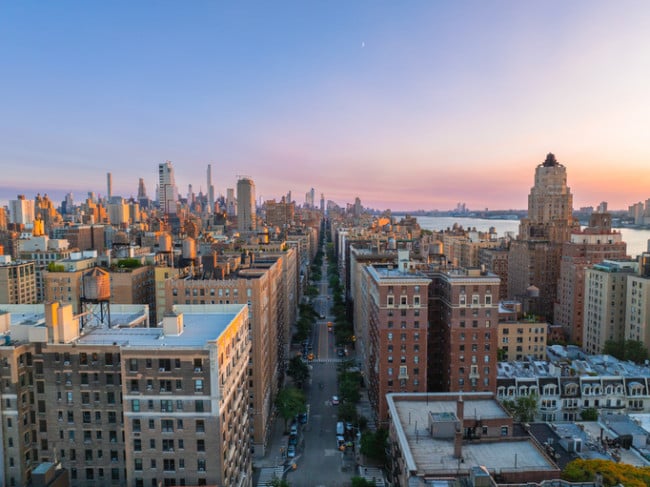





Manhattan median rent climbed to $5,000 in February amid a plunge in listings
- ‘Inventory is at the tightest level we’ve seen in nearly four years’ as per Corcoran COO
- However StreetEasy said February marked two years of inventory decreases in Manhattan

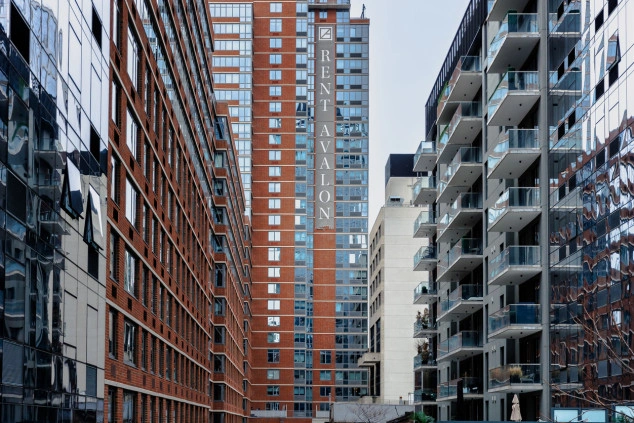
Manhattan listings in February were down 26 percent year-over-year, the lowest level recorded in any month in nearly the past four years according to Corcoran.
iStock
It’s always a tough to find a rental in New York City, but a lack of listings and record high median rent meant new misery for apartment hunters in February.
A plunge in inventory drove Manhattan’s median rent to $5,000 last month, a new all-time high and increase of 6 percent annually, as per The Corcoran Group’s most recent rental market reports for Manhattan and Brooklyn.
“Inventory is at the tightest level we’ve seen in nearly four years,” said Gary Malin, COO of Corcoran. Demand for all types of apartments has increased “with available units being leased at the fastest pace in eight months.” Malin said the lack of inventory could lead to even higher rents in spring.
Manhattan listings in February were down 26 percent year-over-year, the lowest level recorded in any month in nearly the past four years according to Corcoran. Last month’s new lease signings in Manhattan rose by 13 percent compared to a year ago.
Brooklyn median rent reaches new high
Median rent in Brooklyn was $4,296 in February, up 7.5 percent year over year, an all-time high. There was a 6 percent increase in listings, one of the few inventory increases in recent months, according to Corcoran.
New lease signings were up 39 percent compared to a year ago, the report said, the highest number of signed leases for February since 2021.
The average Brooklyn rental spent 62 days on the market in February, a 32 percent rise on an annual basis and the highest days-on-market tally since October 2023.
Bypassed by the construction boom
A new rental market report from StreetEasy had a slightly different take on the Manhattan inventory drought.
It said that February 2026 marked two years of rental inventory decreases in Manhattan, and called it “the longest consecutive streak of rental inventory declines ever recorded in StreetEasy’s 20-year history.”
The streak can be blamed in part on Manhattan developers’ preference for building new condo buildings instead of rental buildings. Manhattan has “sat out the city’s rental construction boom,” the report said.
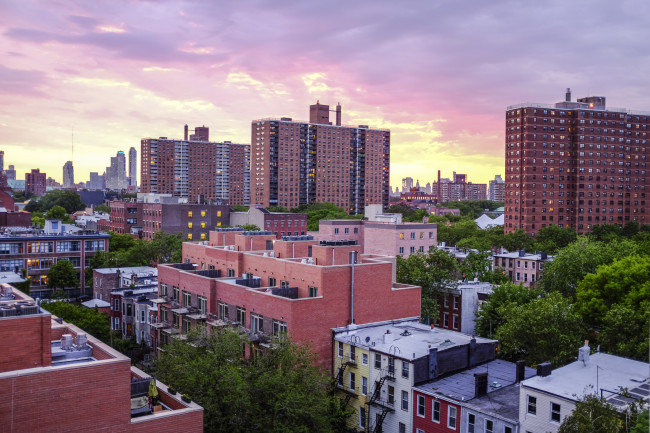
In the outer boroughs, developers favor new rentals, and in 2025, NYC saw the most new rentals created in a decade, with 19,000 units added to the market. Just 14 percent of those new units were in Manhattan, and new construction rentals were just a sliver of the market: just 2.8 percent in 2025.
Renters are facing increasing competition for apartments: the average listing in NYC received 52.1 percent more inquiries than in February 2019, StreetEasy’s report said.
Competition for apartments is based on size. Renters looking for two or more bedrooms faced the most challenging market, with competition up more than double and inventory down 38.8 percent from pre-pandemic levels.
Renters will find more options for new construction rentals in Brooklyn. That borough had the most new rentals with at least two bedrooms last year, with 42.3 percent of new construction units offering two or three bedrooms, compared to 27.2 percent in Manhattan.
You Might Also Like