




Flood proofing: 3 steps owners can take to prepare for the next big storm
- Center for NYC Neighborhoods runs three programs to help owners protect homes from stormwater flooding
- You can assess your flood risk, identify upgrades, and see if you’re eligible for financial assistance
While flooding is becoming a bigger problem for NYC as a result of climate change, there are some preventative measures that homeowners can take.
iStock
Five years ago, Hurricane Ida ripped through New York City, causing 13 deaths and an estimated $781 million in repair and recovery costs. This August, violent storms have flooded the subway system and even created tornadoes.
While flooding is becoming a bigger problem for NYC as a result of climate change, there are some preventative measures that homeowners can take. Three programs for homeowners administered by the nonprofit Center for NYC Neighborhoods aim to prepare NYC residents’ homes for stormwater flooding.
“Our goal is to help homeowners know their risk, know what resources are available, and help them find solutions,” said Aaron Sturm, CNYCN’s deputy director of resiliency.
These three resources work together: One website helps you determine your home’s flood risk, the next program helps you identify repairs for better flood protection, and the third helps you to pay for those improvements.
Let’s dive in (but you should never walk or drive into flood waters):
1) FloodHelpNY
This website helps NYC homeowners and buyers determine the flood risk of a particular address. It also provides accessible resources that explain flood insurance policies and how they work.
You start by plugging in any NYC address into the site’s search bar. The result displays your risk according to four different flooding maps—FEMA’s outdated flood insurance map, a coastal flood map that is more up to date, and two stormwater flooding maps from NYC’s Department of Environmental Protection.
If you’re a renter instead of an owner, flooding should still be on your mind. Under a 2023 law, owners must disclose a building’s history of flood events. (While landlords are required to answer truthfully if you ask about past flooding, they don’t need to volunteer information about flooding from mechanical or plumbing problems, so be sure to ask.)
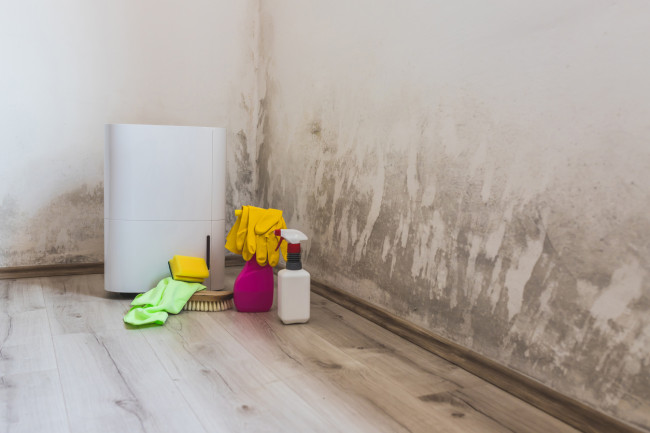
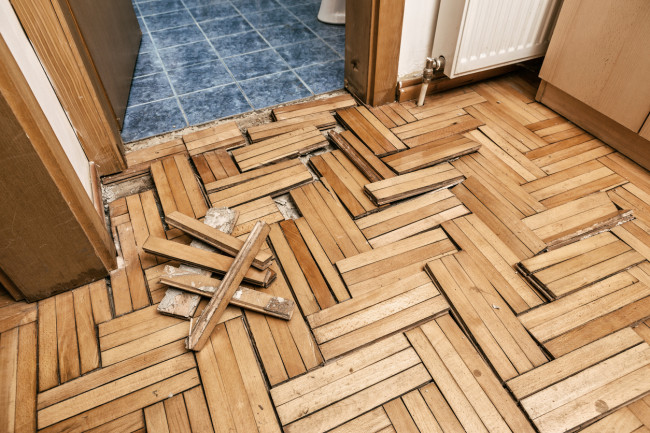
It’s always a good idea to look for signs of water damage or mold when touring a potential apartment. You should also keep in mind that renters’ insurance doesn’t always cover flooding from storms, so you may need to obtain flood insurance too.
Although Zillow removed flooding risk scores from its site in 2025, Redfin includes data from First Street, a real estate climate risk analytics site, and provides a flood factor score between on a scale of 1 to 10.
2) Resiliency Audit program
Under this free program, engineers inspect your property for flooding vulnerabilities and suggest changes to limit the damage from storms.
“The licensed engineer would come out, visit the home, identify any potential vulnerabilities, and then they would prepare a written report and some recommendations,” Sturm said.
If you are in the flood zone, you’ll also get an elevation certificate, which can help make sure you aren’t overpaying for flood insurance or prove to your insurance company that improvements you made have lowered your home’s flood risk.Thenyou have the option to sit down with a housing counselor to interpret the technical report and make a plan for improvements, Sturm said.
To be eligible for a free audit, homeowners must:
- Own and live in a one- to four-unit residential property as their primary residence
- Have an active home insurance policy
- Have a valid state ID
Although the program isn’t restricted by income level, you are also required to provide information about income and the number of household members to ensure lower income homeowners get first priority.
3) Resilient Retrofits program
If an audit reveals expensive fixes are needed to protect your property from flooding, there might be money available to you to fund those changes.
“Being in the audit program doesn't guarantee the financing, but it does kind of tee you up to know how you can implement some of those actionable items because some of the recommendations can be costly,” Sturm said.
Through a combination of low interest and forgivable loans, this program offers eligible homeowners financing for repairs. If you qualify, you could receive up to $50,000 for repairs, as long as at least 50 percent of the repairs make your home more flood resilient.
That can include things like flood vents or vapor barriers, but also roof repairs, if the materials and structure ensure the roof is better able to withstand flooding. “Basically, you can’t redo your kitchen or just do things that are outside the scope of making your home more resilient,” Sturm said.
To be eligible, homeowners must:
- Own a property of one- to four-units in NYC and live there as their primary residence
- Have a household income at or below 120 percent area median income, which is currently $162,840 for a two-person household
- Be up to date on property tax and mortgage payments
- Not have filed for bankruptcy in the past two years
Finally, if you live in an area that’s at high risk for flooding, you have the option to sell your home to the city and move through the city’s Resilient Acquisitions program. This summer, the Mayor’s Office of Climate & Environmental Justice began expanding outreach to new areas of Queens to gauge resident interest, although money isn’t available for buyouts just yet.