
Fulltext search
FILTER RESULTS BY:
RECOMMENDED IN RENT
Moving to NYC after college? Here's how to find a rental apartment
RECOMMENDED IN BUY
How buying real estate in NYC is unlike anywhere else
RECOMMENDED IN SELL
A guide to using a no-fee renovation loan from a NYC real estate firm
RECOMMENDED IN IMPROVE
How to make your NYC renovation more pet-friendly
BEST REAL ESTATE WEBSITE!
National Association of Real Estate Editors
BEST REAL ESTATE WEBSITE! National Association of Real Estate Editors
Brick Underground
Social Links
follow:
  • Facebook
  • Twitter
  • Instagram
  • Flipboard
  • search
Brick Underground
☰ Brick Underground
Brick Underground
Brick Underground
☰
Brick Underground
  • Buy
    • Buy
    • The Market
    • Investing
    • New Construction + Condos
    • Affordable Housing
    • Co-ops
    • Negotiating + Financing
    • How to Buy in NYC Guide
    Super talls on Billionaire's Row
    Co-ops
    What co-op and condo boards need to know about NYC's new pied-à-terre tax
    Views of the East River and the Manhattan Bridge from lower Manhattan, NYC.
    Co-ops
    Median price for Manhattan co-ops and condos hit $1.25 million in second quarter
    Residential towers in Brooklyn
    Sell
    Median sales price for Brooklyn condos jumped to $1.49 million in the second quarter
  • Rent
    • Rent
    • Affordable Housing
    • Roommates + Landlords
    • The Market
    • The Search
    • How to Rent in NYC Guide
    West Side of Manhattan
    Rent
    Manhattan, Brooklyn median rents hit new records in June as renters chased fewer listings
    Manhattan apartment buildings with stores on the ground level
    Affordable Housing
    Ask Altagracia: Can I take over my grandmother's rent-stabilized apartment if I’m not on the lease?
    Sponsored By Outerbridge Law P.C.
    Jodie in her Coney Island kitchen
    Rent
    From Dumbo to Coney Island: We were tired of paying so much rent and wanted a place that made sense
  • Sell
    • Sell
    • Staging + Open Houses
    • Negotiations + Closings
    • Getting Ready
    • How to Sell in NYC Guide
    Residential towers in Brooklyn
    Sell
    Median sales price for Brooklyn condos jumped to $1.49 million in the second quarter
    Condo buildings near Hudson Yards
    Sell
    Manhattan co-op and condo deals above $3 million doubled in the first quarter
    Apartment buildings in New York City
    Sell
    What is a pied-à-terre? What makes it different from a typical NYC apartment?
  • Live
    • Live
    • Neighbors
    • Kids + Pets
    • Neighborhood Intel
    • Products + Test-drives
    • Troubleshooting
    FlatRate moving brick underground
    Live
    How to troubleshoot your move in advance
    Sponsored By flatrate
    Man carrying a moving box in the middle of a move-prepped living room
    Troubleshooting
    How to move in NYC during the summer
    The Al Hirschfeld House at 122 East 95th St
    Live
    The Al Hirschfeld House at 122 East 95th St: Where a renowned caricaturist refined his celebrity portraits
  • Improve
    • Improve
    • Small Spaces
    • Small Projects + DIY
    • Renovations
    • Design + Architecture
    • Products + Services
    • How to Renovate in NYC Guide
    Manhattan apartment building exterior with AC units
    Renovation
    9 hacks to lower your NYC energy bill during a heatwave
    Manhattan Midtown Skyline View From the East River
    Improve
    New York just extended the J-51 tax abatement. Here are five key details condo and co-op boards need to know
    Residential towers in Manhattan
    Improve
    What do changes in the Climate Leadership and Community Protection Act mean for NYC co-op and condo buildings?
  • Boards & Buildings
    • Boards & Buildings
    • Boards
    • Finance
    • Insurance
    • Legal
    • Property Management
    • Structure & Systems
    • Sustainability
    Burned and Boarded Up Windows
    When should your board hire a public adjuster?
    Manhattan GM
    What should we consider when renewing insurance for our building?
    Facade of NYC buildings
    How much is insurance on a NYC co-op or condo building?
  • Advertise
    • Advertise with us
    • Sponsored Content
    • Experts
    FlatRate moving brick underground
    Live
    How to troubleshoot your move in advance
    Sponsored By flatrate
    Manhattan apartment buildings with stores on the ground level
    Affordable Housing
    Ask Altagracia: Can I take over my grandmother's rent-stabilized apartment if I’m not on the lease?
    Sponsored By Outerbridge Law P.C.
    Flat Rate movers in uniform carrying a couch
    Live
    How to Get a Deal on Your Move: 5 Inside Tips from a Moving Sales Rep
    Sponsored By flatrate
  • Brick Report
  • About Us
  • About Us
Email Address
Fulltext search
FILTER RESULTS BY:
New Main menu
  • Buy
    • Buy
    • The Market
    • Investing
    • New Construction + Condos
    • Affordable Housing
    • Co-ops
    • Negotiating + Financing
    • How to Buy in NYC Guide
  • Rent
    • Rent
    • Affordable Housing
    • Roommates + Landlords
    • The Market
    • The Search
    • How to Rent in NYC Guide
  • Sell
    • Sell
    • Staging + Open Houses
    • Negotiations + Closings
    • Getting Ready
    • How to Sell in NYC Guide
  • Live
    • Live
    • Neighbors
    • Kids + Pets
    • Neighborhood Intel
    • Products + Test-drives
    • Troubleshooting
  • Improve
    • Improve
    • Small Spaces
    • Small Projects + DIY
    • Renovations
    • Design + Architecture
    • Products + Services
    • How to Renovate in NYC Guide
  • Boards & Buildings
    • Boards & Buildings
    • Boards
    • Finance
    • Insurance
    • Legal
    • Property Management
    • Structure & Systems
    • Sustainability
  • Advertise
    • Advertise with us
    • Sponsored Content
    • Experts
  • Brick Report
  • About Us
    • About Us
    • Advertise
  • About Us
SUBSCRIBE TO OUR NEWSLETTER →
Social Links Footer
  • Facebook
  • Twitter
  • Instagram
  • Search
Ask a Co-op & Condo Lawyer [ SPONSORED ]

Can I still get a buyout of my rent-stabilized apartment?

  • Buyouts are less prevalent today but can occur in some scenarios
  • If your building is in a prime development area, a buyout may be possible
By Adam Leitman Bailey, P.C.  | December 5, 2022 - 12:30PM
image

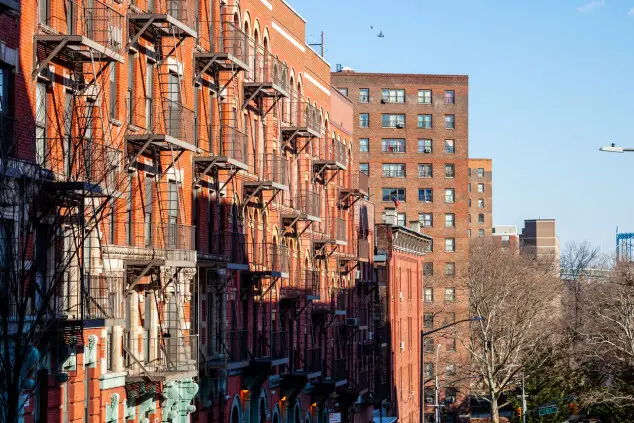
Rent-stabilized tenants in buildings where the landlord wants to do a substantial rehabilitation of the building may also have an opportunity for a buyout.

iStock

Can I still get a buyout of my rent-stabilized apartment?

“Since 2019, when New York’s rent laws were overhauled, landlords have had fewer incentives to pay tenants to leave their rent-stabilized apartments, but that’s not to say those opportunities don’t exist,” says New York City real estate attorney Steven Wagner, a partner at Adam Leitman Bailey, P.C. who represents tenants and apartment owners, as well as co-op and condo boards. 

Tenants in rent-stabilized apartments now have increased protections and it’s much more difficult for a landlord to cycle a rent-stabilized unit out of the affordable housing program and turn it into a market rate apartment with a higher rent. 

As a result, there are fewer buyouts, but there are still situations where landlords may be motivated to pay a substantial amount for you to surrender your rent-stabilized lease, Wagner says. 

Wagner handles most buyout cases on a contingency-fee basis, only receiving payment if and when the buyout occurs. “Your chances of a successful buyout will be higher if you are paying preferential rent, live in a building that’s already been converted into a co-op or condo, or if your building is in a prime spot for development,” he says. Tenants in buildings where the landlord wants to do a substantial rehabilitation of the building may also have an opportunity for a buyout.

Having an experienced buyout attorney will be important in identifying whether your apartment presents a buyout opportunity as well as in evaluating and negotiating the deal. It all depends on the kind of property and whether the landlord will be able to raise the rent and make back their money after buying you out. 

“It’s a unique combination of understanding the opportunities for landlords to deregulate or increase the rent and also familiarity with the laws and economics of zoning and development, as well as knowing how condos, co-ops, and rental buildings operate,” Wagner says.

Here are five scenarios in which a landlord may want to buy out your rent-stabilized lease.

1) You’re paying a low preferential rent

If you signed a lease with a preferential rent—a rent that is lower than the maximum legal regulated rent for the units—a buyout may be a viable option. In the past a landlord could offer renters a low, preferential “teaser” rent to get them into the building and then substantially increase the rent (all the way up to the legal rent) at renewal time. That is no longer allowed and the preferential rent is in place for the entire tenancy subject to the increases allowed by the Rent Guidelines Board. 

If you vacate your apartment, however, your landlord will be able to raise the rent to the legal regulated rent for the next tenant and that’s why a landlord might be interested in buying out your lease.

“If there’s a substantial difference between the rent being paid and the legal regulated rent, that could form the basis of a significant buyout,” Wagner says.

2) You’re renting from the sponsor of a co-op or condo building

Landlords are looking for other ways to access the money tied up in their real estate now that stabilized apartments cannot be deregulated. 

They can do that by offering a buyout of a non-purchasing, stabilized tenant renting in a building that’s already been converted to a co-op or condo. In most cases, when the rent-stabilized tenant vacates the apartment, the owner of the apartment can sell it or re-rent it free of the rent-stabilized restrictions. 

In this situation, a landlord can unlock the equity in the apartment, which is likely to be substantial. “That’s an opportunity for a tenant to negotiate a buyout,” Wagner says.

3) Your landlord wants to demolish your building

If you rent an apartment from the owner of a rental building that’s in a prime position to be part of an assemblage of properties for a brand new building, a developer might try to get the tenants to voluntarily surrender their apartments and this presents an opportunity for a buyout. 

“In this situation, a sponsor would pay tenants to leave the building and then make a demolition application,” Wagner says. Often developers make the demolition application while the tenants are in place and if that happens, tenants can contest it. 

“If the landlord wants to knock down the building, there’s a big incentive to negotiate with the tenants and make sure they do not contest an application to deregulate the building," he says. 

These applications can take years to complete if they are contested. Approval from the Division of Housing and Community Renewal is required before the landlord may refuse to renew leases and evict the stabilized tenants. 

In this scenario, tenants will vacate their apartments well before the time it may take to get the necessary demolition approval. “Time is money to developers,” Wagner says. Once a developer commits to redeveloping the property, they usually want to move forward as quickly as possible and that presents a tenant with an opportunity to negotiate a buyout.

4) Your landlord wants to do a substantial rehabilitation

If your building is in need of major comprehensive upgrades, you may have an opportunity for a buyout. Substantial rehabilitation of a building going well beyond what’s called a Major Capital Improvement allows a landlord to remove an entire building from rent regulation. 

For example, if the landlord wants to carry out a gut renovation where 75 percent of building-wide and individual housing accommodation systems are replaced, this may present a buyout opportunity. 

”If you are one of the few remaining tenants there, the landlord could offer you a substantial buyout,” Wagner says.  

5) Your apartment could be combined or reconfigured

One more avenue for landlords to increase their income from a building is to combine or change the configuration of units—splitting a larger apartment into two or combining a large amount of common space like a hallway into an apartment—allowing them to increase the rent on a stabilized apartment.

In some cases, this presents an opportunity to establish what’s called a “first rent” and it refers to the higher amount a landlord can charge for a newly combined apartment that’s on the market in its current configuration for the first time. “The term 'first rent' refers to the new rent agreed to by the parties,” Wagner says. 

The apartment might not necessarily cycle out of rent stabilization but if the first rent is more lucrative for a landlord, there may be an opportunity for a buyout. 

The types of apartments where changes to the configuration might be possible include units where a neighboring apartment is vacant or units where the footprint of the apartment can be substantially changed.  

“These are the types of situations where a buyout might be negotiated,” he says.

New York City real estate attorney Steven Wagner, a partner at Adam Leitman Bailey P.C., has more than 30 years of experience representing co-ops, and condos, as well as individual owners and shareholders. You can submit a question for this column via email or if you’d like to arrange a free 15-minute telephone consultation with Steve, send an email or call (212) 584-1973.

You Might Also Like
image
Troubleshooting Our board is facing a parking space discrimination claim. What should we do?
image
Affordable Housing My building was sold and the new owners want everyone out so they can gut renovate it. Will I get a buyout?
image
Rent Should tenants negotiate a buyout collectively, or are they better off negotiating separately?


Brick Underground articles occasionally include the expertise of, or information about, advertising partners when relevant to the story. We will never promote an advertiser's product without making the relationship clear to our readers.

topics:

Ask a Co-op & Condo Lawyer buyout Rent rent laws rent regulation rentals sponsor unit
SHARE
TWEET
BRICK’S PICKS
Governor Kathy Hochul signs new budget
Hochul signs $269 billion budget with new pied-à-terre tax for NYC
New residential buildings in Long Island City, Queens
Changes to lending rules from Fannie Mae and Freddie Mac alarm NYC condo buildings
Governor Kathy Hochul announces proposed a pied-à-terre tax
Hochul unveils new pied-à-terre tax on NYC luxury second homes
harassment from a neighbor NYC
Is your neighbor harassing you? Follow these 4 steps to handle the problem
brooklyn apartments
No co-signer for your rental? No problem—try these 6 guarantor workarounds
Common space at Outpost Group's Williamsburg location.
Co-living 2.0: Proposed NYC law would legalize shared housing in new development to ease housing crisis
Follow Brick on Instagram
@brickunderground | #brickunderground
Brick UndergroundBRICK UNDERGROUNDREAL LIFE. REAL ESTATE. REAL NEW YORK.
Social Links Footer
  • Facebook
  • Twitter
  • Instagram
  • Search
Main menu footer
  • Buy
    • The Market
    • Investing
    • New Construction + Condos
    • Affordable Housing
    • Co-ops
    • Negotiating + Financing
    • How to Buy in NYC Guide
  • Rent
    • Affordable Housing
    • Roommates + Landlords
    • The Market
    • The Search
    • How to Rent in NYC Guide
  • Sell
    • Staging + Open Houses
    • Negotiations + Closings
    • Getting Ready
    • How to Sell in NYC Guide
  • Live
    • Neighbors
    • Kids + Pets
    • Neighborhood Intel
    • Products + Test-drives
    • Troubleshooting
  • Improve
    • Small Spaces
    • Small Projects + DIY
    • Renovations
    • Design + Architecture
    • Products + Services
    • How to Renovate in NYC Guide

Get more news you can actually use...

Email Address

Delivered to your inbox weekly - for free.

*By signing up you agree to receive occasional emails on behalf of our sponsors

Footer Menu
  • About Us
  • Advertise

Copyright 2009-2024 by BND Ventures Inc | Privacy Policy | Terms of Service | Ad Choices | Login | Powered by Mortar CMS, the AI CMS