Fulltext search
FILTER RESULTS BY:
RECOMMENDED IN RENT
Moving to NYC after college? Here's how to find a rental apartment
RECOMMENDED IN BUY
How buying real estate in NYC is unlike anywhere else
RECOMMENDED IN SELL
A guide to using a no-fee renovation loan from a NYC real estate firm
RECOMMENDED IN IMPROVE
How to make your NYC renovation more pet-friendly
Brick Underground BRICK UNDERGROUND
BRICK UNDERGROUND
BOARDS & BUILDINGS
  • Buy
    • Buy
    • The Market
    • Investing
    • New Construction + Condos
    • Affordable Housing
    • Co-ops
    • Negotiating + Financing
    • How to Buy in NYC Guide
    Residential towers in Brooklyn
    Sell
    Median sales price for Brooklyn condos jumped to $1.49 million in the second quarter
    Views of the East River and the Manhattan Bridge from lower Manhattan, NYC.
    Co-ops
    Median price for Manhattan co-ops and condos hit $1.25 million in second quarter
    Towers of the East River Co-ops (1956) in the Lower East Side, NYC. In the foreground is the East River and East River Park under renovation. These were the tallest reinforced concrete apartment structures in the United States at the time of their construction.
    Co-ops
    How first-time NYC buyers can apply for up to $100,000 in down payment assistance
  • Rent
    • Rent
    • Affordable Housing
    • Roommates + Landlords
    • The Market
    • The Search
    • How to Rent in NYC Guide
    West Side of Manhattan
    Rent
    Manhattan, Brooklyn median rents hit new records in June as renters chased fewer listings
    Manhattan apartment buildings with stores on the ground level
    Affordable Housing
    Ask Altagracia: Can I take over my grandmother's rent-stabilized apartment if I’m not on the lease?
    Sponsored By Outerbridge Law P.C.
    Jodie in her Coney Island kitchen
    Rent
    From Dumbo to Coney Island: We were tired of paying so much rent and wanted a place that made sense
  • Sell
    • Sell
    • Staging + Open Houses
    • Negotiations + Closings
    • Getting Ready
    • How to Sell in NYC Guide
    Residential towers in Brooklyn
    Sell
    Median sales price for Brooklyn condos jumped to $1.49 million in the second quarter
    Condo buildings near Hudson Yards
    Sell
    Manhattan co-op and condo deals above $3 million doubled in the first quarter
    Apartment buildings in New York City
    Sell
    What is a pied-à-terre? What makes it different from a typical NYC apartment?
  • Live
    • Live
    • Neighbors
    • Kids + Pets
    • Neighborhood Intel
    • Products + Test-drives
    • Troubleshooting
    FlatRate moving brick underground
    Live
    How to troubleshoot your move in advance
    Sponsored By flatrate
    The William Baldwin House at 53 West 74th St
    Live
    The 1890 William Baldwin House at 53 West 74th St: An ambitious design for a series of ambitious owners
    Man carrying a moving box in the middle of a move-prepped living room
    Troubleshooting
    How to move in NYC during the summer
  • Improve
    • Improve
    • Small Spaces
    • Small Projects + DIY
    • Renovations
    • Design + Architecture
    • Products + Services
    • How to Renovate in NYC Guide
    Manhattan apartment building exterior with AC units
    Renovation
    9 hacks to lower your NYC energy bill during a heatwave
    Manhattan Midtown Skyline View From the East River
    Improve
    New York just extended the J-51 tax abatement. Here are five key details condo and co-op boards need to know
    Residential towers in Manhattan
    Improve
    What do changes in the Climate Leadership and Community Protection Act mean for NYC co-op and condo buildings?
  • Boards & Buildings
    • Boards & Buildings
    • Boards
    • Finance
    • Insurance
    • Legal
    • Property Management
    • Structure & Systems
    • Sustainability
    Burned and Boarded Up Windows
    When should your board hire a public adjuster?
    Manhattan GM
    What should we consider when renewing insurance for our building?
    Facade of NYC buildings
    How much is insurance on a NYC co-op or condo building?
  • Advertise
    • Advertise with us
    • Sponsored Content
    • Experts
    FlatRate moving brick underground
    Live
    How to troubleshoot your move in advance
    Sponsored By flatrate
    Manhattan apartment buildings with stores on the ground level
    Affordable Housing
    Ask Altagracia: Can I take over my grandmother's rent-stabilized apartment if I’m not on the lease?
    Sponsored By Outerbridge Law P.C.
    Flat Rate movers in uniform carrying a couch
    Live
    How to Get a Deal on Your Move: 5 Inside Tips from a Moving Sales Rep
    Sponsored By flatrate
  • Brick Report
  • About Us
  • About Us
Social Links
follow:
  • Facebook
  • Twitter
  • Instagram
  • Flipboard
  • search
☰
Fulltext search
FILTER RESULTS BY:
New Main menu
  • Buy
    • Buy
    • The Market
    • Investing
    • New Construction + Condos
    • Affordable Housing
    • Co-ops
    • Negotiating + Financing
    • How to Buy in NYC Guide
  • Rent
    • Rent
    • Affordable Housing
    • Roommates + Landlords
    • The Market
    • The Search
    • How to Rent in NYC Guide
  • Sell
    • Sell
    • Staging + Open Houses
    • Negotiations + Closings
    • Getting Ready
    • How to Sell in NYC Guide
  • Live
    • Live
    • Neighbors
    • Kids + Pets
    • Neighborhood Intel
    • Products + Test-drives
    • Troubleshooting
  • Improve
    • Improve
    • Small Spaces
    • Small Projects + DIY
    • Renovations
    • Design + Architecture
    • Products + Services
    • How to Renovate in NYC Guide
  • Boards & Buildings
    • Boards & Buildings
    • Boards
    • Finance
    • Insurance
    • Legal
    • Property Management
    • Structure & Systems
    • Sustainability
  • Advertise
    • Advertise with us
    • Sponsored Content
    • Experts
  • Brick Report
  • About Us
    • About Us
    • Advertise
  • About Us
SUBSCRIBE TO OUR NEWSLETTER →
Social Links Footer
  • Facebook
  • Twitter
  • Instagram
  • Search
Boards & Buildings > Boards  [ SPONSORED ]

Our apartment building is leaking. What are our responsibilities as a board?

  • Co-op and condo boards have legal obligations regarding water damage
  • Your board should take advantage of building insurance to cover repairs
  • Delaying repairs can be very costly to a condo or co-op board
Headshot of Emily Myers
By Emily Myers
December 13, 2022 - 12:30PM
image

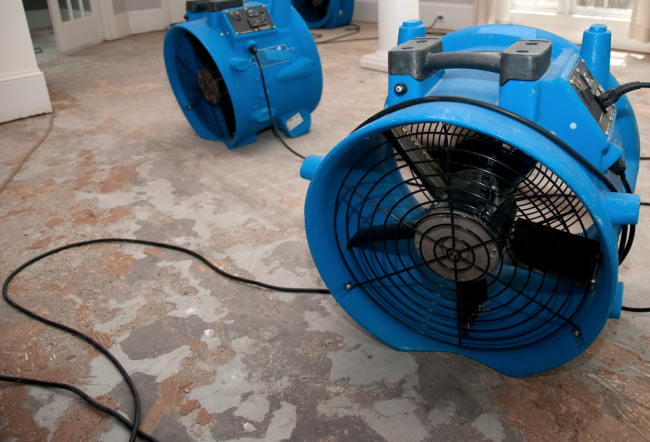
The purpose of insurance is to receive an indemnity for covered losses, rather than pay for liabilities out of pocket, so your board should be taking advantage of that coverage. 

iStock

Question
Our apartment building is leaking. What are our responsibilities as a board?
Answer

If you are seeing water damage inside your building, you need to immediately establish where the leak is coming from. 

“Regardless of whether it is a co-op or a condo, the board is fully responsible for any water penetration coming in from the façade or roof and your building’s priority is to make the necessary repairs,” says New York City real estate attorney Steven Wagner, a partner at Adam Leitman Bailey, P.C. who represents tenants and apartment owners, as well as co-op and condo boards.  

The frequency and intensity of weather events that NYC experiences are expected to increase, making it even more critical, as a priority for their residents, for boards to address flood risk and issues related to water damage. 

Your first step will be to hire an architect to figure out the cause of the leak, and establish whether it is due to a leaking façade, a construction defect, faulty pipes, bad drains, or if the roof needs to be replaced. Then you need to get bids on the work and employ a project engineer who can oversee the repairs. Next you’ll establish whether you have insurance coverage.

“Irrespective of the cause—even if the shareholder or owner is to blame—it doesn’t absolve the board from the responsibility to make repairs to the common areas and in some cases, the units,” Wagner says. 

Who is responsible for water damage in a co-op or condo? 

In a co-op, the warranty of habitability mandates that the landlord is responsible for keeping the shareholders' apartments and the building safe and livable at all times. The way co-ops are structured means boards take on a landlord’s responsibility in the eyes of the law. So a co-op board has the same apartment repair obligations to shareholders as regular landlords have to ordinary, non-investing tenants. 

“The buck stops with the board,” Wagner says. “When repairs are delayed, the costs can increase exponentially.”

In a condo building, there is no leasehold relationship between the board and the owners, so the warranty of habitability does not apply. However, if there’s flood damage in a condo, the board will want to be involved to establish where the water is coming from. 

“The bylaws will usually outline that the apartment owner is responsible for interior repairs to the apartment but there is usually a contractual provision for a negligence claim if the cause of the water damage originates from the common elements,” Wagner says.  

In a situation where a board had knowledge about a common element defect or damage leading to water getting into apartments, the condo association could be collectively responsible for making interior apartment repairs. 

“If two years later a problem emerges either with catastrophic flood or water damage over time, the board’s knowledge of those preexisting conditions could create a claim against the condo for negligence,” Wagner says. 

How does the board make a successful damage claim?

Once you’ve established the cause of the problem, you will need to figure out the cost of the repairs. Boards typically pay between $50,000 and $100,000 annually in premiums for an insurance policy with coverage up to tens or hundreds of millions of dollars. The purpose of insurance is to receive an indemnity for covered losses, rather than pay for liabilities out of pocket, so your board should be taking advantage of that coverage. 

You will also want to see if the affected shareholders have homeowner’s insurance. “That doesn’t shift responsibility—it just might provide an opportunity to get additional money to cover the costs,” Wagner says. 

When making a claim, boards should challenge the estimates given by the insurance company as well as, in some cases, the analysis of who is responsible. “Time and time again, insurance companies improperly minimize or underestimate the board’s repair responsibilities under the bylaws or proprietary lease—the board’s obligations to repair are primary and substantial,” Wagner says. 

He points out that failure to maintain a property is not something a board is insured against. 

In a co-op, the insurance company will often claim the board doesn't have to repair an apartment interior that is not original to the building. 

“We’ve seen cases of apartments going unrepaired for years even after the board has received notice of uninhabitable water damage but the cost of delaying repairs only increases the cost of those repairs and the shareholder’s damages,” Wagner says. 

The cost of delaying repairs can be extremely expensive

When a board delays repairs and flood remediation, Wagner says the numbers can get totally disproportionate and out of control. 

“It often comes down to a disagreement over a portion of the repair costs. In addition, co-ops have historically underestimated their repair obligations with these kinds of claims saying the shareholder is responsible for all interior repairs, but that is false,” he says. 

Wagner has seen situations where a $50,000 repair ends up being a multi-million dollar lawsuit. He points out that in a co-op, the board can be exposed to a claim from the shareholder for legal fees due to a breach of the proprietary lease. A shareholder may also be eligible for a maintenance abatement which can be a substantial sum. “Then there is the issue of where the shareholder lives while repairs to the apartment are carried out,” Wagner says.  

Insurance companies have reduced additional living expense benefits for owners who are displaced due to apartment damage. That coverage is often now capped at 40 percent of personal property contents so a $100,000 coverage would give a maximum of $40,000. 

“That doesn’t go very far if you are a family and you have to move to a hotel in New York City,” he says. If the board doesn’t act promptly, they could find themselves picking up the bill.

Preventative measures can help you avoid water damage

To avoid litigation over water damage, your board needs to be willing and financially prepared to make structural repairs to the building without kicking the can down the road, Wagner says. Roof replacements are a good example of capital investments that make a board less vulnerable to water damage disputes. 

If a managing agent or engineer points out you have a couple more years before the roof needs upgrading, a board should be proactive about getting the work done. 

“The notion of delaying repairs is very dangerous and could mean a board is liable if a winter freeze and thaw results in leaks that could have been prevented with timely capital investment,” Wagner says. 

New York City real estate attorney Steven Wagner, a partner at Adam Leitman Bailey P.C., has more than 30 years of experience representing co-ops, and condos, as well as individual owners and shareholders. You can submit a question for this column via email or if you’d like to arrange a free 15-minute telephone consultation with Steve, send an email or call (212) 584-1973.

You Might Also Like
image
Live A waste water line backed up and flooded my apartment. My homeowner’s insurance denied coverage—can I challenge this?
image
Live A financial report for our co-op building does not add up. How can I request an audit?
image
Live My neighbor's deck is causing a leak in our apartment. No one can agree who is responsible. What happens next?


In partnership with

Related Articles

image
A financial report for our co-op building does not add up. How can I request an audit?
image
A waste water line backed up and flooded my apartment. My homeowner’s insurance denied coverage—can I challenge this?
image
My neighbor's deck is causing a leak in our apartment. No one can agree who is responsible. What happens next?
ABOUT THE AUTHOR
Headshot of Emily Myers
Emily Myers
Emily Myers is a real estate writer and podcast host. As the former host of the Brick Underground podcast, she earned four silver awards from the National Association of Real Estate Editors. Emily studied journalism at the University of the Arts, London, earned an MA Honors degree in English... read more
SHARE
TWEET

Sign Up for our Boards & Buildings Newsletter (Coming Soon!)

Email Address

Thank you for your interest in our newsletter. You have been successfully added to our mailing list and will receive it when it becomes available.

Got a question for us? We'd love to hear!
Brick UndergroundBRICK UNDERGROUNDREAL LIFE. REAL ESTATE. REAL NEW YORK.
Social Links Footer
  • Facebook
  • Twitter
  • Instagram
  • Search
Main menu footer
  • Buy
    • The Market
    • Investing
    • New Construction + Condos
    • Affordable Housing
    • Co-ops
    • Negotiating + Financing
    • How to Buy in NYC Guide
  • Rent
    • Affordable Housing
    • Roommates + Landlords
    • The Market
    • The Search
    • How to Rent in NYC Guide
  • Sell
    • Staging + Open Houses
    • Negotiations + Closings
    • Getting Ready
    • How to Sell in NYC Guide
  • Live
    • Neighbors
    • Kids + Pets
    • Neighborhood Intel
    • Products + Test-drives
    • Troubleshooting
  • Improve
    • Small Spaces
    • Small Projects + DIY
    • Renovations
    • Design + Architecture
    • Products + Services
    • How to Renovate in NYC Guide

Get more news you can actually use...

Email Address

Delivered to your inbox weekly - for free.

*By signing up you agree to receive occasional emails on behalf of our sponsors

Footer Menu
  • About Us
  • Advertise

Copyright 2009-2024 by BND Ventures Inc | Privacy Policy | Terms of Service | Ad Choices | Login | Powered by Mortar CMS, the AI CMS