




Mamdani unveils $22 billion plan to build housing and fix NYCHA
- NYC would build 200,000 affordable housing units and preserve 200,000 units
- The plan includes spending $5.6 billion for repairs and upgrades at NYCHA

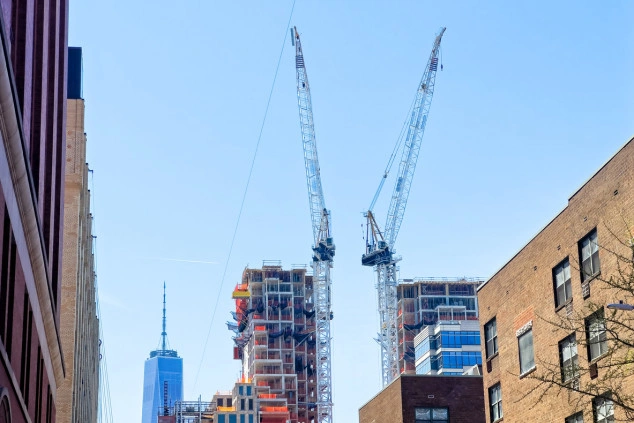
The “Block by Block” housing plan includes the creation of permanently affordable co-ops for working class New Yorkers.
iStock
New York City Mayor Zohran Mamdani yesterday released a far-reaching plan to build 200,000 affordable housing units and preserve an additional 200,000 units over the next decade to tackle the city’s housing crisis.
The 112-page “Block by Block” plan calls for spending $22 billion on housing for renters and owners over the next five years, including the creation of permanently affordable co-ops for working class New Yorkers. The Mamdani administration would also double the size of the Open Door program to expand affordable homeownership opportunities.
A large part of the proposal focuses on speeding up repairs in public housing. It would invest $5.6 billion—the largest capital investment in New York City Housing Authority in recent history—to address leaks, mold, and faulty elevator service, and expand participation in tenant associations, among other initiatives. The administration will also expand NYCHA's role as a public housing developer.
“At a moment when working people are being pushed out of the city they built, New York cannot afford half-measures or delays,” said Mayor Mamdani in a statement. “This plan meets the housing crisis with the urgency it demands. We are setting the most ambitious housing production and preservation targets in the city’s modern history—and backing them up with investments to match—while also protecting tenants and homeowners, investing in public housing and ensuring the workers building that housing have good-paying, safe jobs.
Overhauling code enforcement
The plan includes a major overhaul of the city’s response to code and heat complaints, including allowing tenants to schedule some HPD inspections. NYC will also launch an effort in the Bronx to address persistent issues around housing quality, public health and economic inequality in the borough.
The Mamdani administration would also establish a $40 per hour minimum wage and benefit standard for construction workers on city-financed projects and explore project labor agreements for targeted affordable housing developments.
Other policies would help move New Yorkers out of shelters and into permanent housing, provide support for operating affordable housing, and expand opportunities for homeowners to add accessory dwelling units and legalize basement apartments safely.
Fast-track transit-oriented development
Housing advocates zeroed in on the plan’s measures to build and preserve affordable housing.
Moses Gates, vice president of housing and neighborhood planning for the Regional Plan Association applauded the mayor’s proposal to fast-track transit-oriented development.
“The new housing plan makes us enormously excited for the future of New York City. Its investments in new homeownership opportunities, public housing and transit-oriented development are priorities we have long championed, and its unprecedented commitment to constructing 200,000 new affordable homes reflects the urgency of meeting our housing shortage,” Gates said.
End owner self-certification for repairs
Darius Khalil Gordon, executive director at the Met Council on Housing, approved of the proposals to protect tenants from negligent landlords, expanded Right to Counsel funding, deeper affordability requirements, and new investments in permanently affordable housing models like community land trusts.
“We are especially encouraged by the administration’s commitment to reforming the way the city responds to heat complaints, improving enforcement tools against bad landlords, and calling for the end of the owner self-certification process for repairs,” Gordon said.
'Preservation is a true priority'
Barika Williams, executive director of the Association for Neighborhood & Housing Development, noted that the blueprint treated “public housing as a core element of the city’s affordable housing.”
She called the mayor’s vision a “holistic plan” that “responds to the needs and recommendations that nonprofit affordable housing developers have raised for years, and unlike many past proposals, it makes it clear that preservation is a true priority, not an afterthought. The plan likewise includes policies and, critically, resources to effectively target bad actors and address longstanding challenges in code enforcement, helping ensure that tenants’ rights and safety are protected,” Williams said.
How will this pencil out?
Reaction from industry leaders was more critical. James Whelan, president of the Real Estate Board of New York, said the trade association was reviewing how the plan would drive housing production and affordability.
“At a time when we need to build as much housing as possible, we question why the city would choose to make projects more expensive to build and finance through the addition of costly and inflexible Project Labor Agreements. New York won’t solve its housing supply crisis by undercutting its own laudable production goals,” Whelan said.
'A one-sided, pro-tenant plan'
Ann Korchak, board president of the Small Property Owners of New York, did not hold back in her condemnation of the plan.
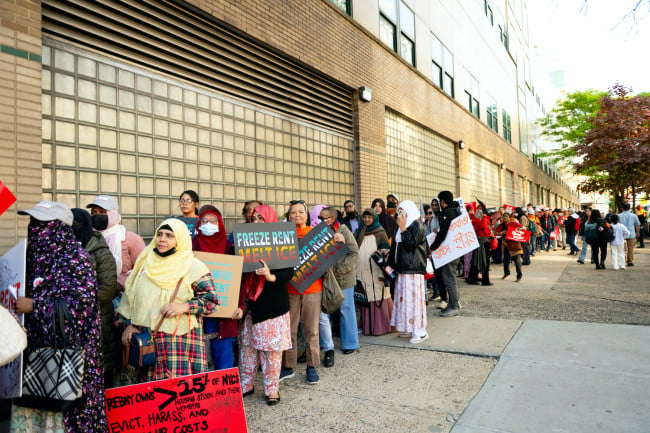
"This is a one-sided, pro-tenant plan that does absolutely nothing for thousands of distressed small rent-stabilized property owners, who next month will be saddled with a Mamdani-engineered rent freeze from the Rent Guidelines Board,” she said.
She objected most to the code enforcement expansion as “all politics.”
“Small owners are often victimized by tenant-caused violations and denial of access to apartments. This latest Mamdani housing scheme will deepen the distress of rent-stabilized properties, the backbone of affordable housing. Every mayor before him pledged hundreds of thousands of new affordable apartments, yet here we are," Korchak said.
You Might Also Like