




Ask Altagracia: Our landlord says our place will be demolished. What rights do we have?
- Landlords must prove genuine demolition plans to bypass Good Cause protections
- You can push back against intimidation or neglect by filing a harassment claim
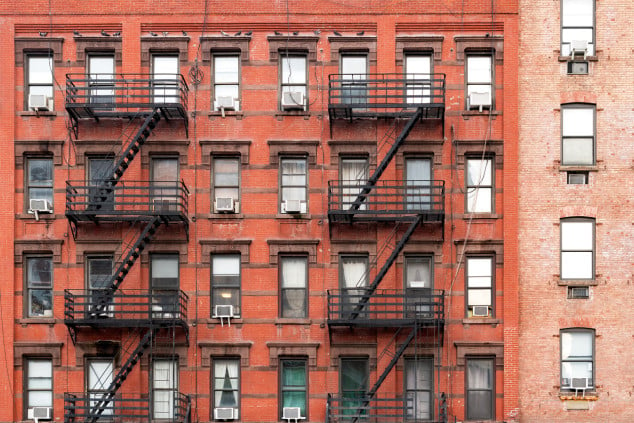
Pursuing your rights has some tradeoffs. Housing court cases can be time-consuming and costly.
iStock
Our landlord informed us that they do not intend to renew our lease, citing their right to demolish the property. We don’t want to leave. How can we protect ourselves?
Under New York’s Good Cause Eviction law, landlords generally must renew leases unless they have a legal reason not to do so. One exception allows a landlord to refuse renewal: If they intend to demolish the building.
“If the tenant doesn’t leave, the landlord would have to prove in court that the apartment is exempt from the law,” said Altagracia Pierre-Outerbridge, attorney and founder of Outerbridge Law representing residential tenants, condo owners and landlords.
Deciding whether to fight
Your next step will depend on whether you have the appetite to fight this out in court. “If you don’t mind being sued then the world is your oyster,” Pierre-Outerbridge said.
If you stay put, the landlord will very likely bring an eviction proceeding against you. The landlord will have to prove their genuine intention to demolish the building by providing permits and showing they have the funds to sustain a demolition. “The contractor engaged to do the demolition may have to come to court to provide testimony,” Pierre-Outerbridge said.
Pursuing your rights has some tradeoffs. Housing court cases can be time-consuming, costly, and intimidating. “Many people want their issues to be resolved without the aggravation of court,” Pierre-Outerbridge said. However, to do that, you would either need to settle out of court through negotiation or give the landlord what they want, which is to move out.
Protecting yourself against harassment
There are rules to protect you from harassment intended to force you out of the apartment. If you feel harassed by the landlord’s actions—whether it is notes under the door or a refusal to make repairs—you may be able to proceed with a successful harassment case. “It’s the little rocks that make the mountain,” Pierre-Outerbridge said. “That’s why you should retain an attorney to ascertain the facts.”
A tenant attorney can figure out whether the landlord’s conduct rises to the level of harassment and help defend against an eviction case. To fight harassment, you can file what’s known as a housing part or HP proceeding in housing court. You'll also need to gather evidence of the landlord’s behavior, which may include photographs and other documentation.
If the landlord intends to demolish the building, other renters in the building will likely be receiving the same treatment. “An HP action for harassment can be brought as a group just as well,” Pierre-Outerbridge said.
Altagracia Pierre-Outerbridge, Esq. is the owner of Outerbridge Law P.C, focusing primarily on tenant representation. The firm represents all sides in landlord-tenant litigation and transactional matters such as month-to-month holdovers, nuisance cases, licensee cases, harassment claims, repair cases, tenant buyouts, succession claims, DHCR overcharges and rent reductions and more. Pierre-Outerbridge has 15 years of experience litigating in Supreme, DHCR, and Housing Court. To submit a question for this column, click here. To contact Outerbridge Law P.C. directly, call 212-364-5612 or 877-OUTERBRIDGE, or schedule a meeting today.


